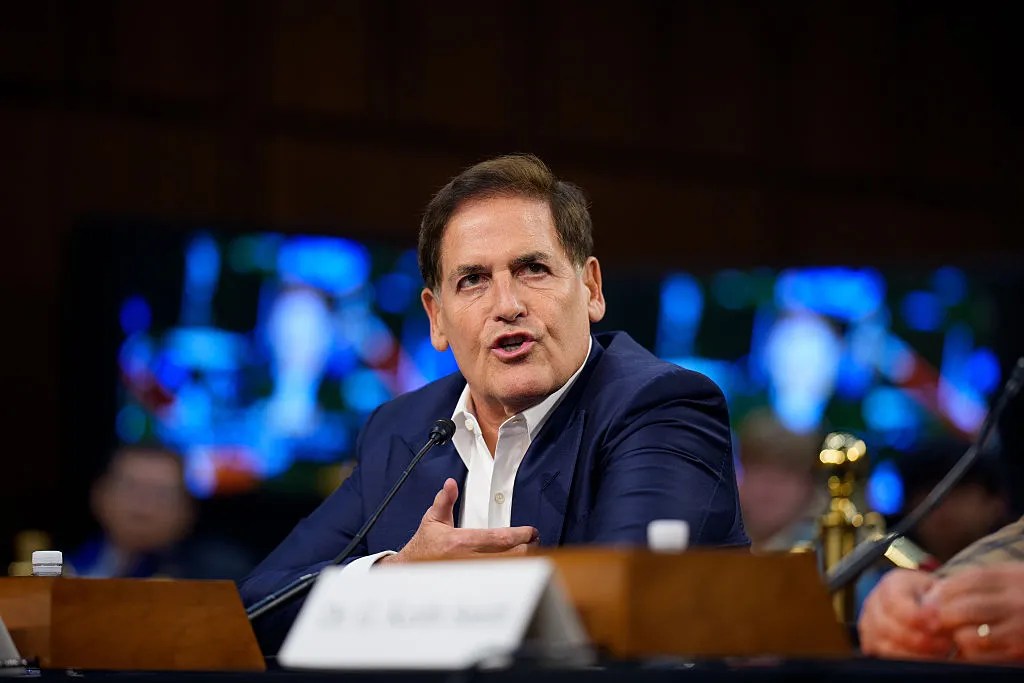
Transportation secretary announces 10% reduction in U.S. air traffic due to government shutdown
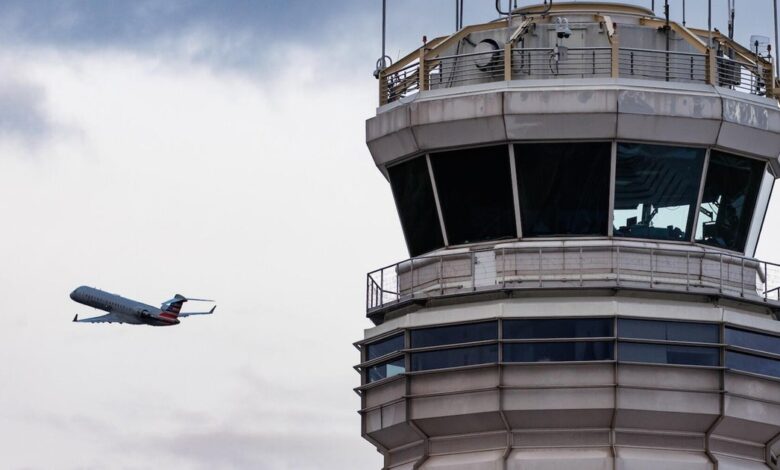
U.S. to Reduce Air Traffic by 10% Due to Government Shutdown
Federal officials have announced plans to reduce air traffic by 10% across 40 “high-volume” markets in response to staffing shortages caused by the ongoing government shutdown. This decision comes as a measure to alleviate pressure on air traffic controllers who are working without pay.
During a press conference on Wednesday, Federal Aviation Administration Administrator Bryan Bedford stated, “We have decided that a 10% reduction in scheduled capacity would be appropriate to continue to take the pressure off of our controllers.” U.S. Transportation Secretary Sean Duffy also emphasized the need for these measures to ensure the safety of air travel.
As the shutdown, now in its 36th day, continues, more air traffic controllers are experiencing fatigue. Bedford mentioned that Thursday marks one month since controllers were last paid, further highlighting the strain caused by the congressional stalemate.
The specific 40 markets that will be affected by the reduced air traffic will be announced on Thursday. This reduction will impact commercial airspace as well as other activities, including space launches.
Industry Calls for Shutdown to End
Airlines, aviation unions, and the wider travel industry have been urging Congress to end the shutdown. Delays in flights have been on the rise, with over 10,000 flights experiencing delays last weekend and approximately 11,000 delays reported this week, according to FlightAware.
Bedford and Duffy are set to meet with airline industry executives to discuss the safe implementation of the reduction in flights. Bedford stated, “The early indicators are telling us we can take action today to prevent things from deteriorating.”
Recruitment Challenges Prior to Shutdown
Prior to the shutdown, the U.S. was already facing challenges in recruiting a sufficient number of air traffic controllers. Duffy mentioned that the country needs an additional 2,000 controllers to meet the demand.