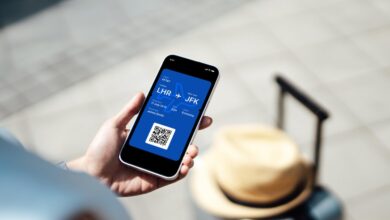
Traveling for the holidays? Beware of these common scams, lawmakers warn
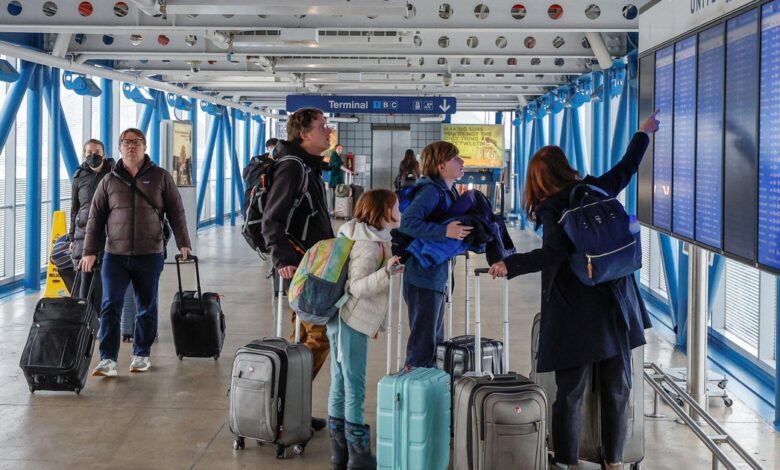
Lawmakers are sounding the alarm on holiday travel scams, urging travelers to be cautious of phishing schemes and impersonation tactics that can lead to financial losses. According to the Joint Economic Committee (JEC), online travel fraud has reached $1 trillion in global financial losses in 2024, with scammers tricking consumers into paying for fake trips or accommodations that don’t match their online descriptions.
As the winter holidays approach, U.S. Senator Maggie Hassan, the ranking member of the JEC, warns that scammers are actively impersonating airlines, hotels, and rental platforms. Millions of Americans gearing up to visit loved ones during the holiday season are at risk of falling victim to these travel scams. The JEC, a bipartisan group of House and Senate lawmakers, is calling on the Federal Trade Commission (FTC) to collaborate with U.S. technology companies in combating overseas scam networks. In 2024, organized foreign criminals stole $10 billion from Americans, marking a 66% increase from the previous year.
The JEC’s Democratic minority points to data from travel and payment firms revealing a surge in online fraud during the holiday season. Travel fraud, which accounted for $274 million in U.S. consumer losses in 2024 according to the FTC, is a prevalent form of criminal activity. Research from the Mastercard Economics Institute shows a 28% increase in fraud during peak travel seasons.
Common travel scams involve tactics like sending fake text messages about flight cancellations or posing as legitimate business representatives on social media. Scammers may also pay to have their fake customer service numbers appear in online search results. To avoid falling victim to these scams, travelers are advised to verify information with official company websites, avoid clicking on suspicious links, and check reviews on sites like the Better Business Bureau. Warning signs of a possible scam include misspelled website addresses, vague accommodation descriptions, and requests for payment in cryptocurrency.
In conclusion, travelers must remain vigilant during the holiday season to protect themselves from falling prey to travel scams. By following the advice of lawmakers and staying informed about common tactics used by scammers, consumers can ensure a safe and enjoyable travel experience. Remember to always verify information, avoid clicking on suspicious links, and report any suspicious activity to the appropriate authorities. Stay safe and enjoy your holiday travels!