Tropical Storm Fernand forms in the Atlantic, southeast of Bermuda
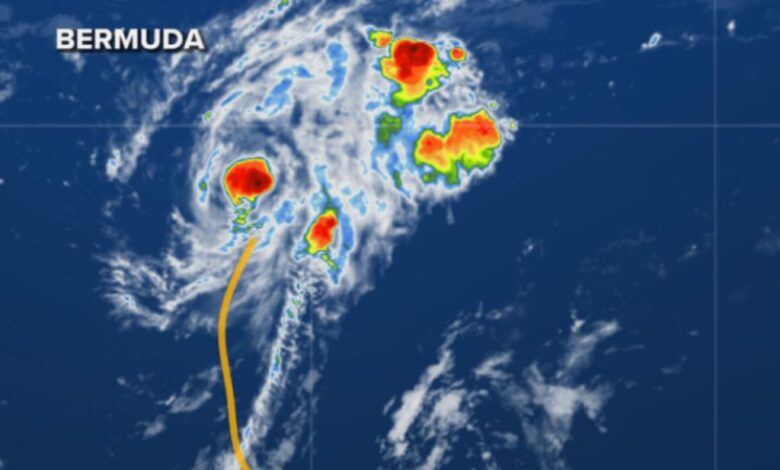
A newly formed tropical storm, named Tropical Storm Fernand, has been identified southeast of Bermuda and is anticipated to intensify as it moves northward over the weekend. Satellite imagery and data collected from an Air Force Reserve reconnaissance mission have confirmed the formation of Tropical Storm Fernand approximately 400 miles south-southeast of Bermuda. Currently, the storm has recorded maximum sustained winds of 40 mph, with higher gusts, and is following a northward path.
According to the National Hurricane Center (NHC), steady strengthening is projected over the next few days as Tropical Storm Fernand skirts past Bermuda to the east. Forecasts indicate that the cyclone may approach hurricane strength but will remain well east of the US coastline. The NHC has warned of hazardous surf and gale conditions near Bermuda early in the week as Fernand makes its closest approach to the island.
Residents and visitors in Bermuda are advised to stay updated on the weather situation as a slight deviation in the storm’s track could result in more significant impacts. The NHC predicts that after Monday, Fernand will begin to weaken due to cooler waters and increasing wind shear, likely transitioning into a post-tropical system within 3-4 days.
The combined effects of large swells generated by Tropical Storm Fernand and the remnants of Hurricane Erin are expected to prolong the risk of rip currents along the US East Coast into the upcoming week. Fortunately, the extensive troughiness across the eastern US is acting as a barrier against hurricanes, safeguarding the country from tropical threats until the end of the month.
Additionally, this shift in weather patterns has brought a taste of fall to over 100 million people east of the Rockies, with temperatures ranging from 10 to 30 degrees below average in the coming week. As for the Atlantic basin, the NHC is currently monitoring a tropical disturbance known as Invest 99L, situated less than 1,000 miles east of the Caribbean islands. Although development prospects are hindered by unfavorable upper-level winds and dry air, some forecast models suggest potential development in the western Caribbean or southern Gulf beyond the 7-day timeframe.
The next named storm in the Atlantic will be Gabrielle, marking the seventh named system of the season. With the Atlantic hurricane season extending until November 30, and typically peaking in September, it is crucial for residents in hurricane-prone regions to remain vigilant and prepared for any potential developments.