Trump administration allows purchase of Russian oil already at sea
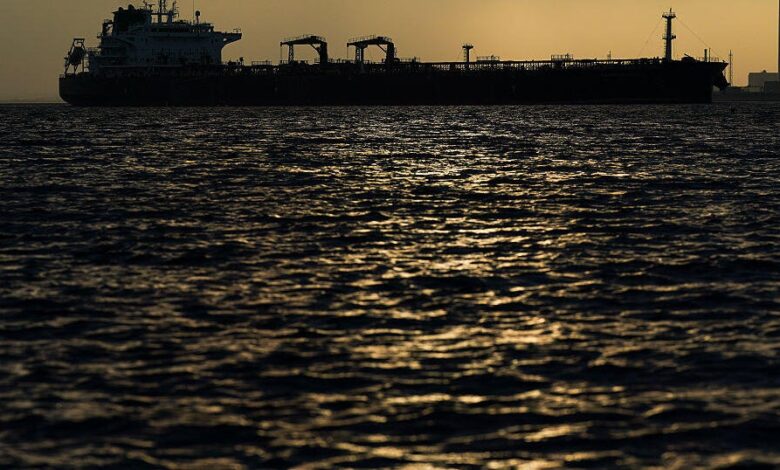
tap into additional oil reserves in Alaska. The administration has also considered increasing domestic oil production and reaching out to other oil-producing countries for assistance.
Despite these efforts, the global oil market remains volatile as the conflict in the Middle East continues to disrupt supply chains. The U.S. decision to temporarily allow the purchase of Russian oil has sparked controversy, with critics arguing that it could benefit the Russian government and undermine sanctions aimed at pressuring Russia to end its invasion of Ukraine.
In response to the sanctions relief, Democratic lawmakers have expressed concern that the move could provide a financial boost to Russian President Vladimir Putin and prolong the conflict in Ukraine. Senator Brian Schatz of Hawaii criticized the decision on social media, suggesting that Russia was benefiting from the situation.
The Trump administration’s decision to grant temporary reprieves for oil importers has also faced backlash from members of Congress, who argue that easing sanctions on Russian oil could embolden Putin and hinder efforts to hold Russia accountable for its actions in Ukraine. Senate Minority Leader Chuck Schumer and other Democrats have condemned the move, warning that it could further empower Putin and prolong the suffering of the Ukrainian people.
Despite the criticism, the Trump administration has defended its actions, insisting that the temporary measures are necessary to address the global energy crisis caused by the war in the Middle East. Treasury Secretary Scott Bessent has emphasized that the authorization to purchase Russian oil is intended to alleviate supply shortages and stabilize oil prices.
As the world grapples with the economic fallout of the ongoing conflict, the Trump administration is facing mounting pressure to find solutions to the energy crisis. With global oil prices soaring and supply chains disrupted, the U.S. government is exploring various options to mitigate the impact of the war on the global economy.
In the meantime, the temporary authorization to purchase Russian oil will provide some relief to oil importers struggling to meet demand amid supply chain disruptions. However, the decision has sparked debate and raised concerns about the unintended consequences of loosening sanctions on Russia’s oil industry. As the situation continues to evolve, the Trump administration will face increasing scrutiny over its handling of the energy crisis and its efforts to address the ongoing conflict in the Middle East.