Trump administration officials expect the strongest economy in years in 2026. Here’s why.
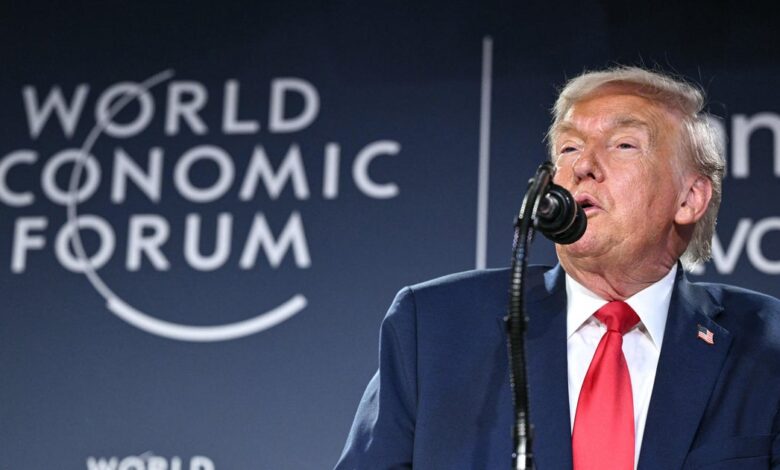
Senior Trump administration officials are predicting a significant economic boom for the U.S. in 2026, fueled by Federal Reserve interest rate cuts and large tax refunds. Commerce Secretary Howard Lutnick announced that the U.S. economy is expected to grow by over 5% in the first quarter of 2026, with a projected growth of 6% by the end of the year. This would be the fastest economic growth since late 2021 when the economy expanded by 7% due to businesses reopening during the pandemic.
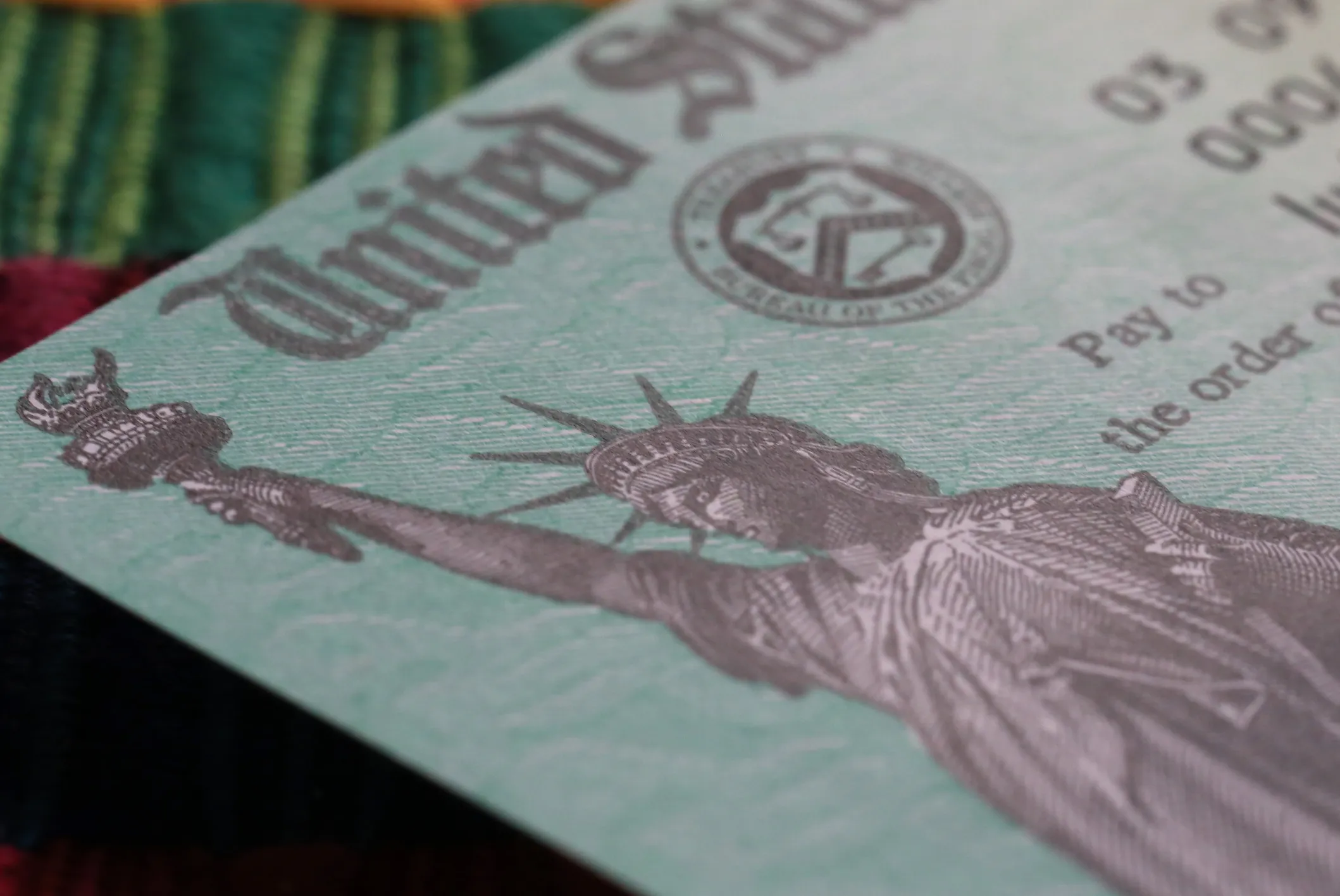
The optimistic forecast is based on the potential appointment of a new Federal Reserve chair who may lower interest rates, stimulating economic growth. Additionally, the recent tax and spending law passed by Republicans is expected to result in larger tax refunds for consumers, putting more money in their pockets. While some experts like Mike Skordeles from Truist believe that achieving this level of growth is feasible, sustaining it for an entire year may prove challenging.
Despite the positive outlook, there are several economic headwinds that could hinder the projected growth. Trade tensions resulting from tariffs imposed by the Trump administration and uncertainty surrounding economic policies may dampen the potential economic boost. Wall Street economists have varying forecasts for 2026, with estimates ranging from 2% to 2.5% growth. Truist predicts a more modest growth rate of 2.3% for the year.
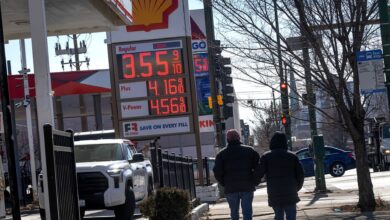
One concern associated with the proposed economic stimulus measures is the risk of overheating. While recent data shows a surge in growth, there is a potential for inflation to rise substantially, similar to the inflation levels experienced in 2022. Liz Pancotti from Groundworks warns that lowering interest rates and increasing tax refunds may lead to inflation rather than sustainable economic growth. Inflation rates are still above the Federal Reserve’s target of 2%, with food prices remaining high due to increased costs of essentials like beef and coffee.
Despite the potential economic growth, public sentiment regarding the economy remains largely negative. A recent CBS News poll indicates that Americans are more concerned about lowering prices than economic growth. Additionally, despite the possibility of higher wages in certain industries, workers’ share of the GDP has decreased to its lowest point since 1947. Even if the economy experiences robust growth, issues such as affordability, rising food prices, and housing costs may overshadow any economic gains.
In conclusion, while the Trump administration is optimistic about the U.S. economy’s prospects for 2026, there are significant challenges and risks that could impact the projected growth. Balancing economic stimulus measures with inflation concerns and addressing public sentiment about affordability will be critical in determining the economy’s trajectory in the coming year.