Trump administration’s new $100,000 H1-B visa fees could leave rural health care as collateral damage
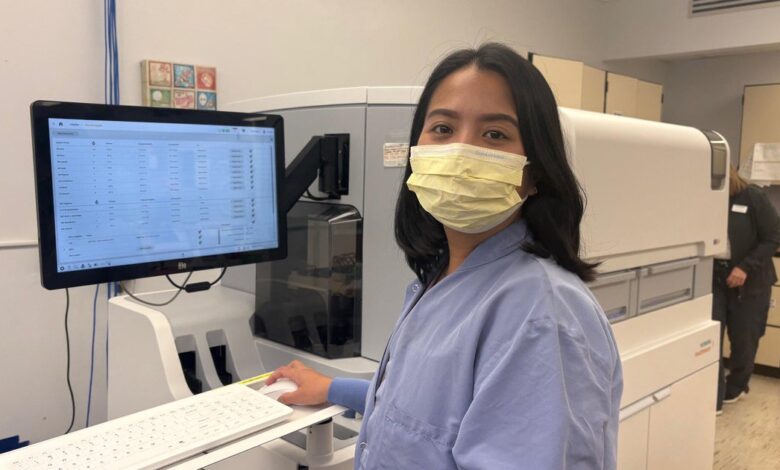
Bekki Holzkamm, the lab manager at West River Health Services in rural North Dakota, has been facing challenges in hiring a lab technician since late summer. Despite multiple efforts, not a single U.S. citizen has applied for the position. This has put the hospital in a difficult situation, with limited options available.
One option for the hospital is to pay the new H-1B visa fee of $100,000 and hire one of the more than 30 applicants from the Philippines or Nigeria. However, this fee is equivalent to the annual salary of two lab technicians in some rural hospitals, making it a costly choice. Another option is to request a waiver for the fee from the Department of Homeland Security, but the timeline and approval for such waivers are uncertain. The hospital could also continue trying to recruit someone within the U.S. for the job, or simply leave the position unfilled, further burdening the current staff.
The U.S. healthcare system heavily relies on foreign-born professionals to fill various roles, especially in underserved rural areas. However, a recent presidential proclamation targeting the tech industry’s use of H-1B visas has made it harder for rural providers like West River to hire these essential staff members. The new $100,000 fee for hiring foreign workers living outside the U.S. has created additional challenges for hospitals already struggling with staffing shortages.
The American Hospital Association, along with other healthcare organizations, has urged the administration to provide exemptions for the healthcare industry from the new fee. However, the standards for waiver approval are exceptionally high, making it difficult for hospitals to qualify for exemptions. The lack of response from Homeland Security and the White House has left many healthcare providers concerned about the future of their workforce.
The reliance on international healthcare providers in the U.S. raises valid concerns about the impact on other countries facing their own health crises and shortages. The current system, which favors importing providers trained abroad over investing in domestic education, has led to a significant dependency on foreign professionals in the healthcare sector.
Despite facing challenges with the new H-1B visa fee, hospitals like West River Health Services are exploring local recruitment and retention strategies to overcome the staffing issues. However, the competition with salaries offered in larger cities and the inability to attract local talent pose significant hurdles for rural healthcare providers. The ongoing lawsuits and advocacy efforts by healthcare organizations highlight the urgency of addressing the barriers to hiring foreign healthcare workers in the U.S.