Trump asked GOP lawmakers if he should fire Fed Chair Jerome Powell
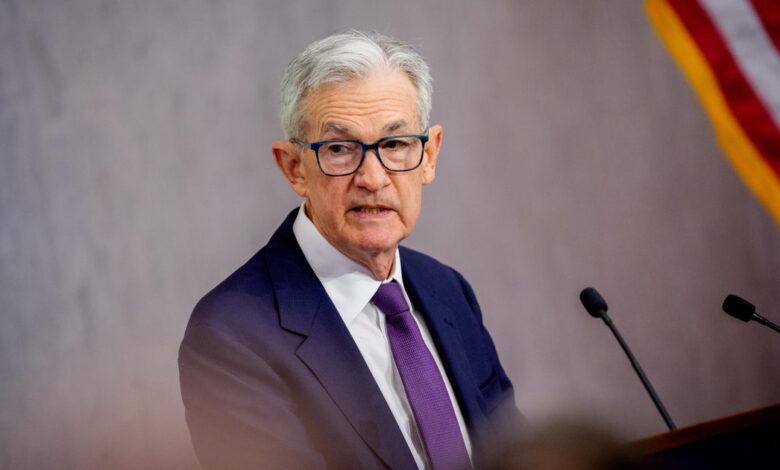
President Trump has stirred up controversy once again, this time by considering firing Federal Reserve Chair Jerome Powell. During a meeting with House Republicans, Trump asked for their opinion on the matter, and sources say that most of them voiced approval. The President confirmed the discussion to reporters the following day, stating that he is more conservative than the lawmakers who suggested he should remove Powell from his position.
The potential firing of Powell has raised legal questions, as federal law stipulates that the Fed chair can only be removed “for cause.” The implications of such a move could have a significant impact on financial markets. Trump has also hinted at investigating Powell for alleged fraud related to the renovations of the Fed headquarters, claiming that he overspent on the project.
The Trump administration has been increasing pressure on Powell, with some officials accusing the Fed of mismanaging the renovation project. Powell has denied these allegations, leading to a tense situation between the White House and the Federal Reserve.
The independence of the Federal Reserve from political interference has been a longstanding tradition, allowing its leaders to make monetary policy decisions without undue influence. However, Trump’s dissatisfaction with Powell’s handling of interest rates has been a recurring issue. The President has criticized Powell for not acting quickly enough to cut rates, despite previously appointing him to the position.
The possibility of Powell’s removal has sparked speculation among lawmakers and the media. Some House members have expressed support for Powell and are planning to meet with him to reinforce the independence of his role. Trump’s public criticisms of Powell have escalated in recent weeks, with the President referring to him as “Mr. Too Late” and questioning his leadership abilities.
Despite Trump’s previous statements that he wouldn’t fire Powell, the President seems to be considering this drastic step. The legal implications of such a move are unclear, as the Supreme Court has signaled doubts about Trump’s authority to remove the Fed chair. Powell’s term is set to end in 2026, but the uncertainty surrounding his position has cast a shadow over the Federal Reserve’s future decisions.
In conclusion, President Trump’s potential decision to fire Federal Reserve Chair Jerome Powell has serious implications for the economy and the independence of the Fed. The ongoing tensions between the White House and the Federal Reserve underscore the challenges of balancing political pressures with economic stability. The outcome of this situation remains uncertain, but it is clear that the stakes are high for both the financial markets and the broader economy.