Trump cuts tariffs on beef, coffee, bananas and other food imports
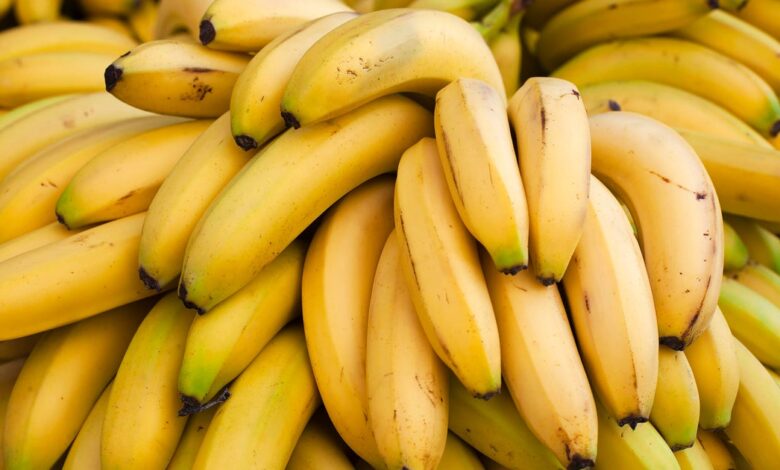
President Trump made a significant decision to exempt certain food products from his country-by-country tariffs in an effort to address rising prices and cost-of-living concerns. The exemption, outlined in an executive order, includes tropical products such as coffee, tea, bananas, mangoes, avocados, coconuts, pineapples, cocoa, and spices like nutmeg. Additionally, beef, oranges, and tomatoes are also covered under this exemption.
The White House cited “substantial progress” in trade negotiations with other countries as the reason for the exemption. This move follows recent trade frameworks established with four Latin American countries, which included relief for food not widely produced in the United States. These food products will no longer be subject to the reciprocal tariffs imposed by President Trump on most trading partners, which can range from 10% to 40% or more. However, other forms of tariffs may still impact certain types of food.
President Trump expressed optimism that the tariff exemptions would lead to lower prices, particularly for foods that are not competitive in the U.S. market, like bananas. Despite concerns about inflation and the impact of tariffs on consumer prices, the President remains steadfast in his belief that costs have decreased since he took office.
One area of particular concern for President Trump has been the rising cost of beef. In response to these price increases, he has considered importing more beef from Argentina to help stabilize prices. However, this proposal has faced criticism from U.S.-based ranchers who fear the potential impact on their industry. Trade groups like the National Cattlemen’s Beef Association have publicly opposed the idea, leading to a contentious debate on the issue.
President Trump has defended his stance on tariffs and their impact on the agricultural industry, arguing that his policies have benefited U.S. ranchers. He maintains that without his intervention, the industry would have continued to struggle. The ongoing debate surrounding tariffs, trade negotiations, and food prices underscores the complexity of economic policies and their real-world consequences.