Trump Pressures Drugmakers to Match Lowest Global Prices
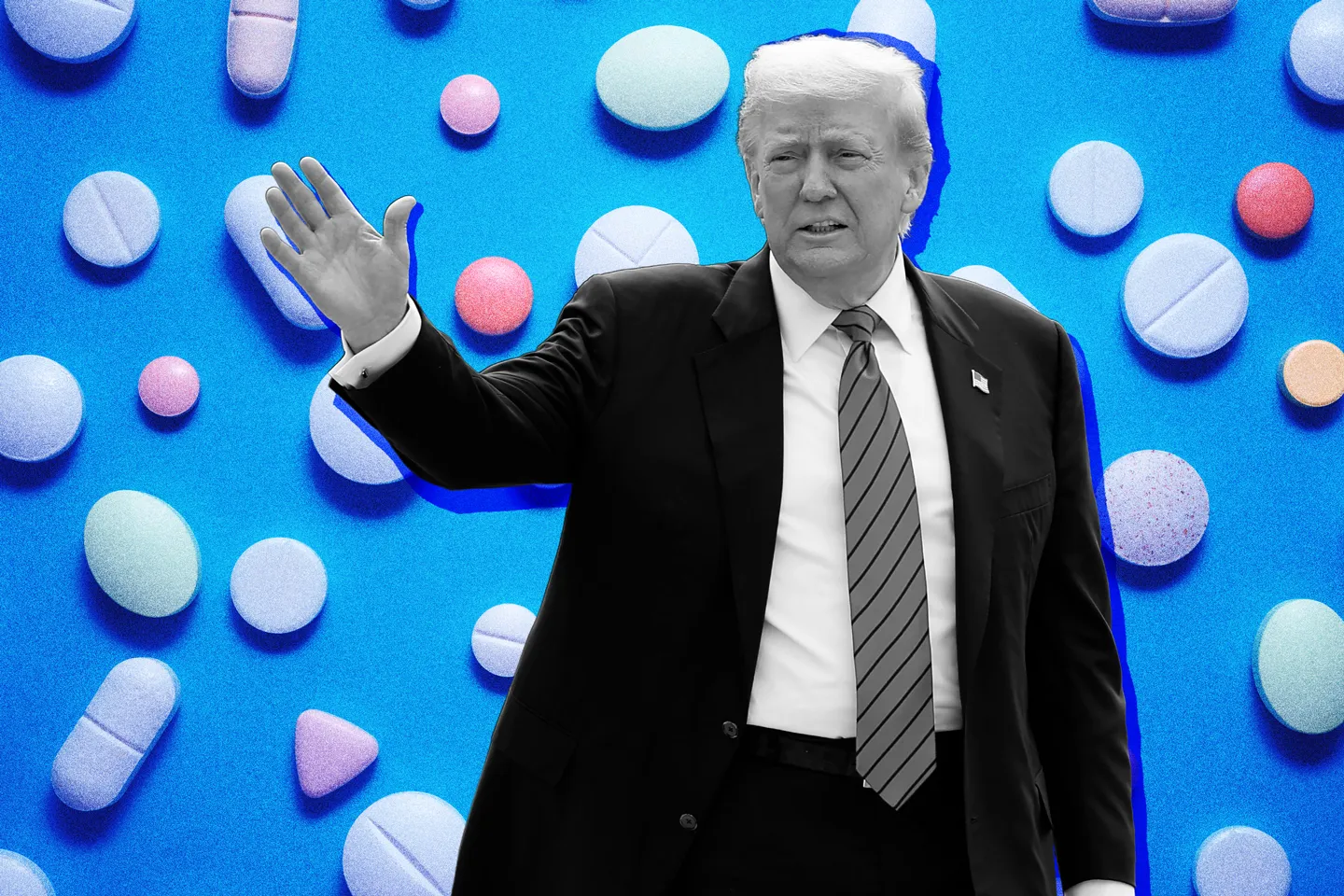
The Trump administration has announced a new initiative aimed at pressuring prescription drugmakers to lower prices for American consumers. President Donald Trump recently sent letters to 17 major pharmaceutical companies, including AstraZeneca, Eli Lilly, Johnson & Johnson, and Pfizer, publicly posting them on his social media platform, Truth Social.
In these letters, Trump called on drugmakers to make a series of commitments by September 29 to provide immediate relief from high drug prices. The President emphasized the need to end the disparity in drug prices between the U.S. and other developed nations, demanding that American consumers be offered the lowest prices available in similar countries.
The administration’s move marks a significant escalation in its efforts to address the issue of rising drug prices, with Trump directly challenging pharmaceutical companies to adopt the “most favored nation” pricing model. This approach aims to ensure that Americans are not paying significantly more for the same drugs than consumers in other countries.
While some experts have expressed skepticism about the effectiveness of using pressure tactics to lower drug prices, others believe that this approach could yield positive results. Juliette Cubanski, deputy director of Medicare policy at the nonprofit KFF, cautioned that pressuring drugmakers may not lead to widespread price reductions. However, Chris Meekins, a health care policy analyst at Raymond James, suggested that Trump’s demands could signal a shift in his administration’s approach to drug pricing.
Trump’s demands to lower drug prices include several key provisions. The pharmaceutical companies are required to offer their existing drugs at the lowest prices available in other developed nations to Medicaid patients. Additionally, newly developed drugs must be made available to all Americans at the most-favored-nation price, regardless of their health insurance coverage.
Furthermore, the companies are instructed to collaborate with the U.S. government to negotiate drug prices with other countries and develop direct-to-consumer and direct-to-business sales models that eliminate price markups by middleman drug management companies.
Trump has urged the pharmaceutical companies to engage with his administration promptly and in good faith to meet these demands by the specified deadline. The President’s initiative represents a significant step in his administration’s efforts to tackle the issue of high drug prices and ensure affordable access to medications for all Americans. President Trump’s efforts to lower prescription drug prices in the United States have faced challenges, according to recent letters he sent to pharmaceutical companies. The letters indicate that initial negotiations following his May executive order did not go as intended, with drugmakers proposing solutions that would benefit the industry rather than American patients.
In his letters, Trump expressed frustration with the proposals received by his administration, describing them as “more of the same” and accusing the companies of shifting blame and requesting policy changes that would result in profits for the industry. He warned that if the companies do not comply with his demands to lower drug prices, he would use every tool at his disposal to force them to do so.
One of the key approaches Trump has advocated for is a most-favored-nation pricing strategy, which would align drug prices in the U.S. with those in other countries. However, the Pharmaceutical Research and Manufacturers of America (PhRMA) strongly opposes this approach, arguing that it would be detrimental to American patients and workers and could stifle innovation in the industry.
The high cost of prescription drugs in the U.S. is a significant issue, with prices significantly higher than in other countries for the same medications. For example, the weight-loss drug Ozempic is over 10 times more expensive in the U.S. than in some peer countries. Americans spent approximately $100 billion out-of-pocket on prescriptions last year, highlighting the financial burden of high drug prices.
While both the Trump and Biden administrations have taken steps to address the issue of high drug prices, annual prescription costs have continued to rise. Trump has claimed that his efforts have led to significant reductions in drug prices, but experts caution that systemic price reductions will require legislative action rather than executive orders alone.
Despite some manufacturers making commitments to invest in American production of prescription drugs and offering new purchasing options for consumers, these changes are not seen as comprehensive solutions to the problem of high drug prices. Without legislative action, the systemic price reductions that President Trump is advocating for may not be achievable.
In conclusion, the issue of high prescription drug prices in the U.S. remains a complex and challenging problem that requires a multifaceted approach. While executive actions can have an impact, lasting and meaningful reductions in drug prices will likely require legislative measures and collaboration between industry stakeholders, policymakers, and consumer advocates.