Trump proposes $2,000 dividend funded by tariffs. Here’s what experts say about the plan.
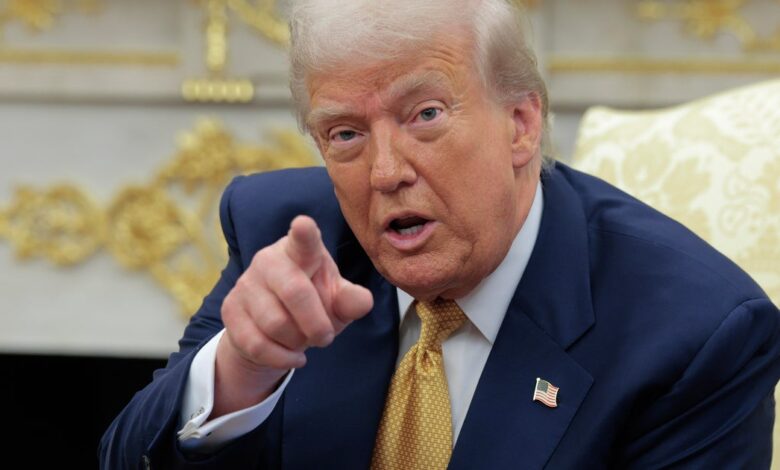
President Donald Trump recently announced his intention to provide most Americans with a $2,000 payment funded from tariffs, as he defended his administration’s tariff policy. Trump highlighted the success of his tariff policy in generating new revenue, which he claimed has led to “record investment” in U.S. manufacturing.
In a post on Truth Social, Trump stated, “A dividend of at least $2000 a person (not including high income people!) will be paid to everyone.” However, he did not elaborate on the specifics of how these rebates would be distributed to Americans. This proposal is not new, as Trump had previously mentioned the idea of tariff rebates for individuals.
The White House has not yet provided details on how the checks would be disbursed, and there has been no response to inquiries from CBS News. Typically, rebates and stimulus payments are issued through the tax code, requiring congressional authorization. For instance, the three stimulus checks distributed during the pandemic were authorized by Congress and signed into law by Presidents Trump and Biden.
Treasury Secretary Scott Bessent suggested that the dividend could take various forms, such as tax decreases on tips, overtime, Social Security, and deductibility of auto loans. However, the feasibility of providing a $2,000 dividend to millions of Americans earning $100,000 or less remains a challenge. According to Erica York from the Tax Foundation, this would require approximately $300 billion in revenue, while current tariff revenue stands at $120 billion.
The potential tariff checks could also impact inflation, as seen during the pandemic stimulus payments. Economists warn that distributing additional funds to households without increasing the supply of goods and services could lead to inflation. The Trump administration’s tariffs have already contributed to rising inflation, and additional stimulus checks could further exacerbate the situation.
Despite potential challenges, Trump remains committed to the idea of providing tariff-funded payments to Americans. Any leftover funds from the payments would be used to reduce the national debt, according to Trump. However, concerns about the impact on inflation and the national debt remain, as economists caution against the potential consequences of such a policy.
In conclusion, while the proposal for tariff-funded payments to Americans aims to provide financial relief, it also raises questions about its feasibility and potential economic implications. As the debate continues, it will be crucial to consider all aspects of the policy before implementation.