Trump says China is violating its trade agreement with the U.S.
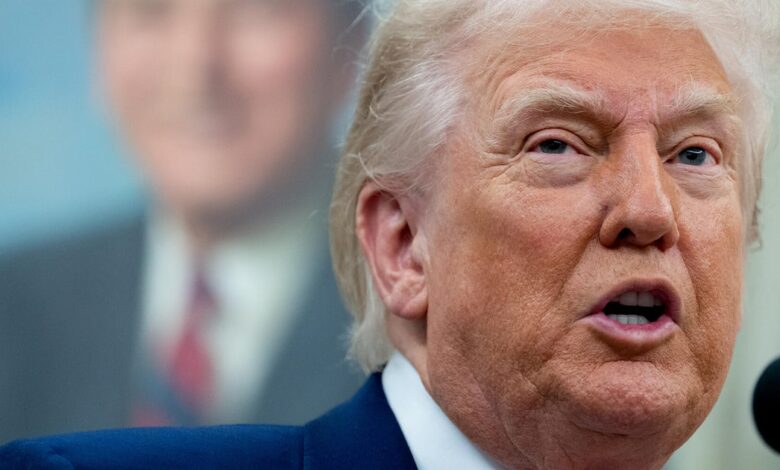
President Trump has accused China of violating a trade agreement with the U.S., just weeks after the two countries reached a temporary truce on tariffs. The agreement, made on May 12, involved a 90-day suspension of tariffs that had been imposed on each other’s imports earlier in the year.
In his statement, Mr. Trump did not specify how China had violated the agreement, but he expressed disappointment that the deal had not been upheld. Under the terms of the agreement, the U.S. reduced tariffs on Chinese goods to 30% from 145%, while China lowered its levies on American imports to 10%.
The issue at the center of the dispute may be related to rare earth exports. Rare earths are crucial materials used in high-tech products like computer chips and electric vehicle batteries. There have been reports that China was delaying the increase in rare earth exports to the U.S., prompting Washington to impose restrictions on certain technology sales to China.
The accusation of China’s violation comes after a series of legal battles surrounding President Trump’s trade agenda. A federal court recently froze most of his sweeping tariffs on foreign nations, which he had announced on April 2 to boost U.S. manufacturing and federal revenue. However, a federal appeals court temporarily halted the decision, allowing the tariffs to continue for now.
The trade tensions between the U.S. and China continue to escalate, with both countries grappling with issues related to tariffs, trade agreements, and market access. The situation remains fluid, with potential implications for global trade and economic stability.
In the midst of these developments, it is crucial for both countries to find common ground and resolve their differences through dialogue and negotiation. The future of U.S.-China trade relations hangs in the balance, with significant implications for businesses, consumers, and the global economy.