Trump says he’ll start sending letters to countries about their tariffs at noon on Monday
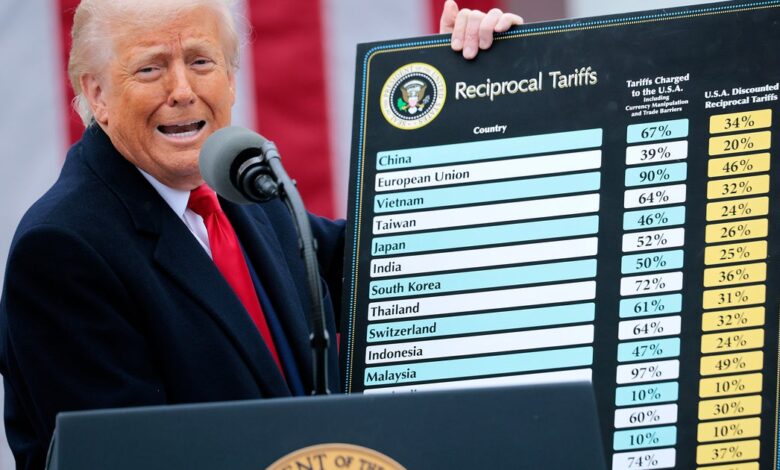
President Trump took to social media over the weekend to announce his plans to send out tariff increase letters to countries that have not reached satisfactory trade deals with the United States. The letters are set to be delivered at noon on Monday, with trade experts anticipating that several foreign nations will receive notices of higher tariff rates that will go into effect on August 1.
The President referred to these letters as “tariff letters” and stated that they would be sent out ahead of the July 9 deadline for trade partners to negotiate deals or face country-based tariff rates. This initiative stems from President Trump’s announcement of “reciprocal tariff” rates on April 2, which he dubbed “Liberation Day.” A 90-day pause on the country-specific levies was instituted, which is set to expire on July 9.
In a late Sunday post on Truth Social, President Trump declared, “I am pleased to announce that the UNITED STATES TARIFF Letters, and/or Deals, with various Countries from around the World, will be delivered starting 12:00 P.M. (Eastern), Monday, July 7th.” The White House has yet to provide specific details on which countries will receive these tariff increase letters.
Barry Appleton, a trade policy expert from the Center for International Law at New York Law School, compared the country-based levies to membership fees for entry into a private club. He explained that countries have been submitting proposals for negotiation deals since “Liberation Day,” with the Trump administration determining the tariff rates based on the offers presented.
Brian Mulberry, a portfolio manager at Zacks Investment Management, highlighted that countries actively engaged in negotiations are likely to receive more favorable tariff structures. He outlined three potential outcomes, categorizing them as “good, bad, and ugly” scenarios based on the percentage of tariff rates imposed.
As the deadline approaches, it remains to be seen which countries will face higher tariff rates and how they will impact international trade relations. President Trump’s push for fair trade deals continues to shape the global economic landscape, with implications for various industries and markets. Stay tuned for updates on this developing story.