Trump says he’s considering rerouting $3 billion in Harvard grants to U.S. trade schools
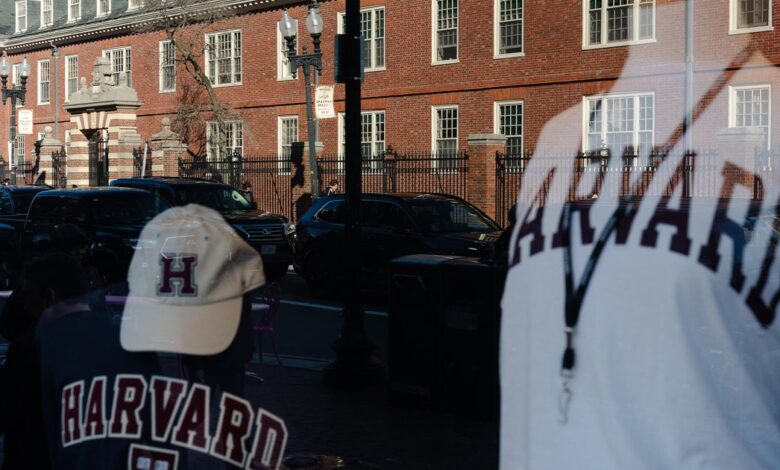
President Trump has once again targeted Harvard University, this time threatening to redirect the $3 billion in grant money the institution receives to trade schools across the United States. In a post on his social media platform, Truth Social, Mr. Trump accused Harvard of being “very antisemitic” and proposed that investing in trade schools would be a more beneficial use of the funds for the country.
The specifics of how Mr. Trump plans to transfer the grant money remain unclear, especially considering that his administration has already frozen some of Harvard’s federal funding. This latest move comes on the heels of previous actions taken by the Trump administration to penalize Harvard for what they perceive as a lack of action against anti-semitism on campus.
Harvard, in response to these threats, has filed lawsuits against the Trump administration, challenging the legality of actions such as blocking international students from enrolling and attempting to strip the university of federal funding. The ongoing legal battles highlight the clash between Harvard’s academic independence and the Trump administration’s efforts to assert control over the university’s policies.
In addition to targeting Harvard, the Trump administration has also set its sights on other prestigious universities, including Columbia University, the University of Pennsylvania, and Cornell University. By withdrawing federal funding from these institutions, the administration aims to pressure them into aligning with its agenda, which includes changes to diversity programs, hiring practices, and audits for “viewpoint diversity.”
The White House’s aggressive stance towards universities has sparked controversy and criticism, with some questioning the government’s authority to dictate academic policies. The ongoing power struggle between the Trump administration and Harvard, in particular, underscores the broader debate over academic freedom, government intervention in higher education, and the limits of executive authority.
As the legal battles continue to unfold, the future of Harvard’s funding and autonomy remains uncertain. The outcome of these conflicts will not only impact the university itself but also have broader implications for academic institutions across the country. The Trump administration’s efforts to reshape higher education policy are likely to have lasting effects on the landscape of academia in the United States.