Trump says new call for regime change in Iran justified by ‘imminent threats’ to US
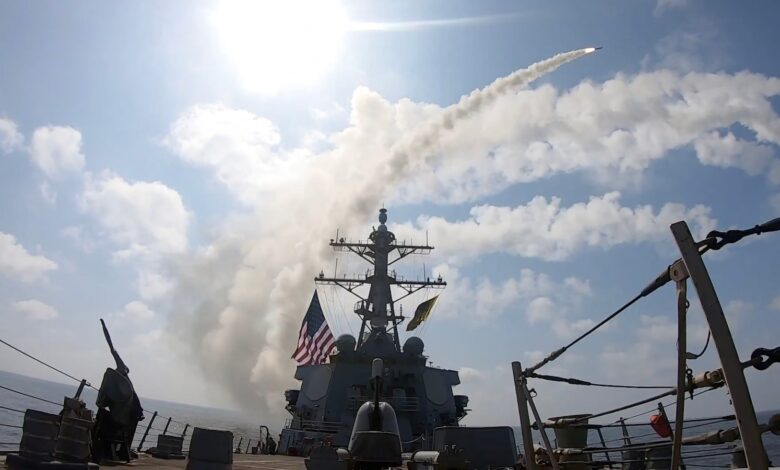
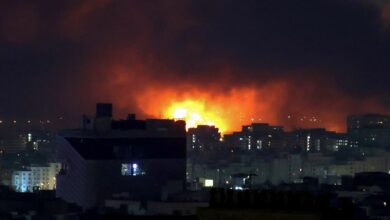
President Donald Trump’s recent announcement of a military strike on Iran has sparked controversy and raised questions about the true motives behind the attack. While initially justifying the strike as a means of destroying Iran’s nuclear program, Trump has now taken it a step further by calling for regime change in the country. This drastic shift in rhetoric has left many wondering about the potential implications of such a move.
According to sources briefed on the attack, Iran’s Supreme Leader Ayatollah Ali Khamenei and President Masoud Pezeshkian were targeted during the strikes. The idea of using American bombing as a tool for regime change raises concerns about the potential consequences and the lack of a clear plan for who would replace Iran’s current leaders.
In a video posted on social media, Trump urged the Iranian people to rise up and overthrow their government, claiming that the hour of their freedom is at hand. He emphasized that the United States is backing them with overwhelming strength and devastating force, urging them to seize control of their destiny.
This call for regime change is not new for Trump, who previously encouraged Iranian protesters to take over their institutions during widespread protests in the country. However, the president now seems more determined than ever to support the Iranian people in their quest for freedom.
Israeli Prime Minister Benjamin Netanyahu echoed Trump’s sentiments, stating that the goal of the attack was to remove the existential threat posed by the Iranian regime. Iran, on the other hand, maintains that it is not pursuing a nuclear weapon and has the sovereign right to pursue a peaceful nuclear program for civilian purposes.
The justification for the strikes remains unclear, with Trump citing the need to defend the American people from imminent threats from the Iranian regime. However, he has provided little evidence to support these claims, fueling speculation about the true motives behind the attack.
The debate over the Iranian missile threat and the potential need for military intervention will likely intensify as lawmakers return to Washington. The question of whether Congress should vote on committing American troops to a military operation aimed at regime change in Iran will be a key point of contention in the coming days.
As the situation continues to unfold, it is essential to closely monitor developments and consider the broader implications of the United States’ actions towards Iran. The path to a peaceful resolution remains uncertain, but the voices of the Iranian people will undoubtedly play a crucial role in shaping the future of their country.