Trump says Venezuela stole American oil. Here’s what really happened.
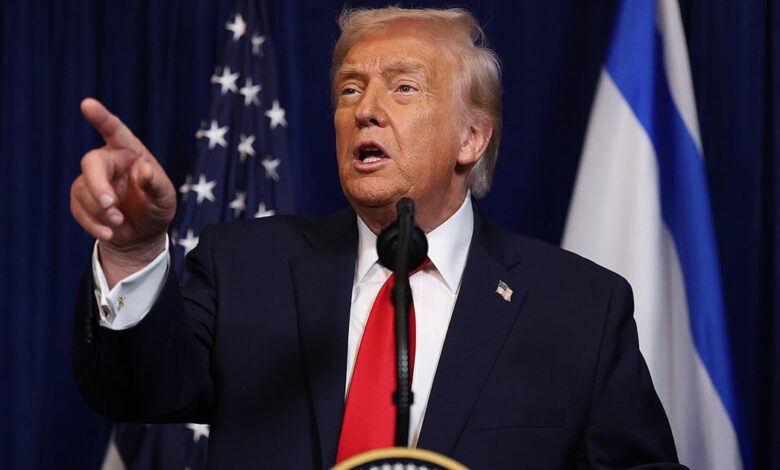
President Trump made headlines when he announced the capture of former Venezuelan President Nicolás Maduro and his wife, citing the need to recover assets allegedly stolen from U.S. companies. The focus on Venezuela’s oil industry has sparked discussions about American energy companies’ involvement in the country and the potential for them to revive its struggling petroleum sector.
While Venezuela’s constitution asserts that the nation owns all mineral and hydrocarbon deposits within its territory, including oil reserves, U.S. oil companies had contractual agreements with Venezuela to extract and process oil, as well as share in revenue from sales. President Trump’s accusations of theft stem from former leader Hugo Chávez’s nationalization of the energy sector in 2007, which resulted in the confiscation of assets belonging to Exxon Mobil and ConocoPhillips.
The aftermath of these seizures led to legal battles as companies sought compensation for their losses. Despite rulings in favor of the oil companies by the World Bank, the funds have yet to be recovered. Oil industry executives, including representatives from Exxon, Chevron, and ConocoPhillips, recently met at the White House to discuss Venezuela’s situation.
Venezuela has a history of nationalizing its oil sector, with PDVSA taking control in the 1970s. Chávez’s actions in the early 2000s led to the expulsion of foreign companies that did not comply with majority ownership demands by PDVSA. Amid allegations of corruption, billions of dollars from Venezuelan companies disappeared into private bank accounts worldwide.
Efforts by Exxon and ConocoPhillips to seek compensation resulted in World Bank rulings that Venezuela owed significant sums to the companies. Chávez’s policies also prompted numerous arbitration claims against Venezuela, totaling billions of dollars in liabilities. The country’s oil reserves, estimated to be the largest globally, have seen a drastic decline in production due to underinvestment, mismanagement, and sanctions.
The U.S. wasted no time in announcing plans to export Venezuelan oil and utilize the revenue for the benefit of the Venezuelan people. While President Trump urges U.S. oil companies to invest in Venezuela post-Maduro’s capture, the political instability in the country may deter potential ventures. Companies are likely seeking assurances of a stable political environment before committing substantial investments.
In conclusion, the complex dynamics of Venezuela’s oil industry and the legal battles surrounding asset seizures highlight the challenges and opportunities for U.S. companies in the country. The need for stability and transparency in Venezuela’s political landscape will be crucial for future investments and the revitalization of its oil sector.