Trump signs order broadening access for alternative assets in 401(k)s
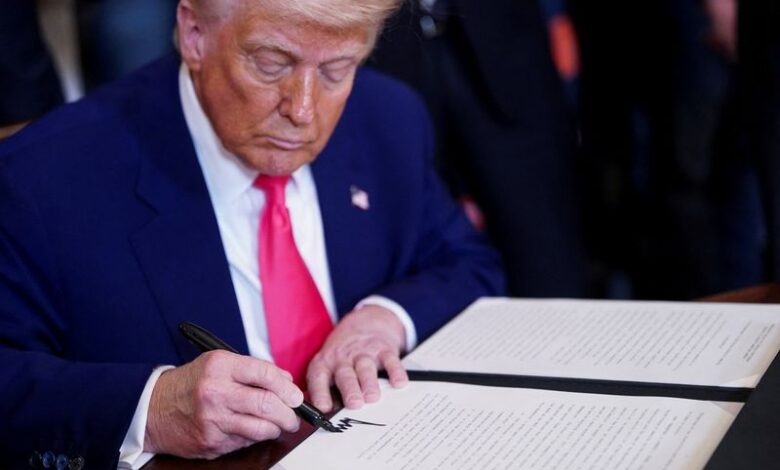
President Donald Trump recently signed an executive order aimed at expanding the range of investment options available in 401(k) retirement accounts. The order opens the door for private equity, real estate, cryptocurrency, and other alternative assets to be included in Americans’ retirement savings, potentially offering higher returns but also carrying higher risks and fees.
According to the White House, regulatory barriers and litigation risks have previously hindered retirees from accessing potentially lucrative investment opportunities. The executive order seeks to alleviate these obstacles, with the goal of enabling American workers to achieve competitive returns and diversify their retirement portfolios.
The order directs the Labor Secretary and Securities and Exchange Commission to facilitate easier access to alternative assets in defined contribution retirement plans. While it does not explicitly call for additional legal protections for investors, it instructs the agencies to clarify or potentially revise rules that could reduce litigation risks for the industry.
Asset managers have welcomed the news, viewing it as a significant step towards modernizing retirement savings. BlackRock, a leading asset manager, has already lobbied for expanding asset options and plans to launch a retirement fund that includes private equity and private credit assets in the near future.
The move is expected to benefit big alternative asset managers like Blackstone, KKR, and Apollo Global Management by opening up the $12-trillion market of defined-contribution plans, with 401(k)s being the most popular, to their investments. While some critics have raised concerns about the complexity, lack of transparency, and higher fees associated with these investments, proponents argue that younger savers could benefit from potentially higher returns on riskier investments.
Private equity firms, in particular, are eager to tap into the new source of cash that retail investors could provide. However, the transition to including alternative assets in retirement accounts may not happen overnight, and potential lawsuits from investors who do not fully understand these investments could pose challenges for asset managers.
The executive order also paves the way for cryptocurrencies to be included in 401(k)s, marking a significant development for the digital asset sector. Asset managers operating crypto exchange-traded funds, such as BlackRock and Fidelity, could see a boost from this move.
Overall, the expansion of investment options in retirement accounts presents both risks and rewards. While it offers the potential for higher returns, it also raises concerns about the complexity, fees, and lack of transparency associated with these alternative assets. The industry may need to address litigation reform and provide clearer guidelines to ensure the protection of investors’ retirement savings.