Trump SOTU, health care, drug pricing: Morning Rounds
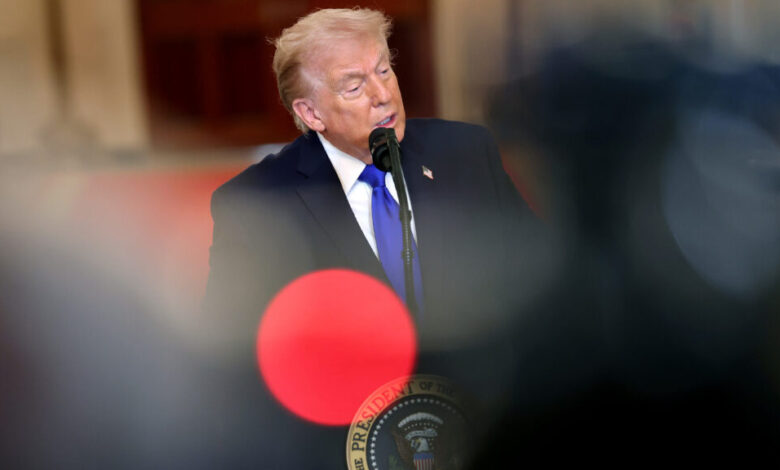
President Donald Trump delivered his first State of the Union address of his second term, focusing on health care issues such as lowered drug prices. Despite his claims of bringing prescription drug costs down to the lowest in the world, many Americans still struggle with the affordability of healthcare. Trump highlighted his most-favored nation policy as a key factor in reducing drug prices and urged congressional Republicans to enshrine this policy into law to prevent future increases in prescription drug costs.
In addition to drug pricing, Trump proposed shifting government funding from premium tax credits to health accounts resembling health savings accounts. He also promised to crack down on fraud in government programs and advocated for parental consent in decisions related to gender-affirming care. However, notable omissions from his speech included vaccine mandates and cuts to health and science funding, which have been significant issues during his administration.
Meanwhile, states have taken action against the administration’s changes to federal vaccine recommendations, with 15 states suing HHS over these alterations. The CDC’s Advisory Committee meeting, which was previously canceled, is now scheduled for March 18-19, pending any legal intervention. Additionally, the American College of Obstetrics and Gynecologists withdrew as a liaison organization to ACIP due to concerns about changes that undermine the committee’s scientific integrity.
A recent projection published in Circulation revealed that six in ten women will develop cardiovascular disease within the next 25 years, with a third of girls aged 2 to 19 projected to be categorized as obese by 2050. This alarming forecast underscores the need for preventive measures to address cardiovascular health issues.
Novo Nordisk announced a significant price cut for its GLP-1 drugs, aiming to enhance patient access to these medications. While the reduced list price may benefit insured patients paying coinsurance, challenges remain in ensuring broader coverage by insurers and employers. The complex landscape of drug pricing involves considerations beyond list prices, such as net prices after rebates and discounts.
Dentists play a crucial role in identifying early signs of health issues like substance use and mental distress, given their frequent interactions with patients. Dental procedures can serve as entry points for prevention and education on substance use disorders. In related news, the University of Minnesota’s Center for Infectious Disease Research and Policy is releasing a three-part series on the risks associated with a commonly prescribed antibiotic for dental procedures.
In conclusion, the healthcare landscape continues to evolve, with ongoing debates on drug pricing, vaccine policies, and preventive healthcare measures. Stay informed on the latest developments in health and medicine to make informed decisions about your well-being.