Trump tariff threat looms over robotics and medical devices
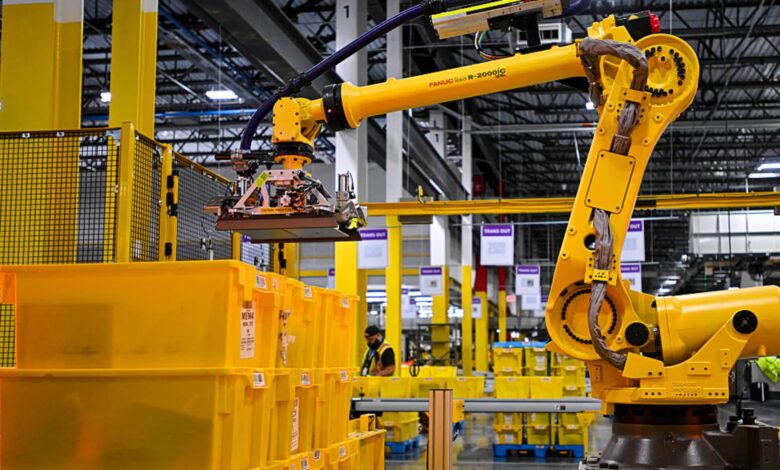
The Trump administration has initiated national security investigations into the imports of robotics, industrial machinery, and medical devices. These investigations could potentially lead to the imposition of new tariffs, ultimately increasing costs for consumers, hospitals, and manufacturers.
According to the Department of Commerce, the probes were launched on September 2 under Section 232 of the Trade Expansion Act. The aim of these investigations is to evaluate whether the imported products pose a threat to U.S. national security. The list of items under scrutiny has been expanded to include personal protective equipment such as surgical masks, N95 respirators, gloves, and other medical consumables like syringes, needles, and prescription drugs. Additionally, imported medical equipment such as wheelchairs, hospital beds, pacemakers, insulin pumps, and heart valves are also being investigated.
These probes could potentially result in the imposition of sector-specific tariffs aimed at promoting domestic production of critical goods. AdvaMed, a trade group representing medical technology and device manufacturers, highlighted that 70% of medical products in U.S. hospitals are already domestically produced. The group emphasized that lower tariffs would facilitate more manufacturing and job growth in the U.S., leading to increased access to life-saving technologies at lower costs for American hospitals and patients.
The Department of Commerce is soliciting feedback from companies regarding their anticipated demand for these products, the capacity of domestic production to meet local needs, and the impact of foreign subsidies and predatory trade practices. Previous applications of Section 232 have resulted in tariffs on automobiles, copper, steel, and aluminum. Ongoing investigations into imports of pharmaceuticals, semiconductors, and chip components underscore the U.S. government’s concerns about reliance on overseas supply chains.
The imposition of new duties resulting from these probes could be in addition to existing country-specific tariffs. However, agreements between the European Union and Japan may shield them from additional levies. The U.S. heavily relies on Mexico and China for machinery, with imports from these countries accounting for a significant portion of total machinery purchases.
The potential tariffs on medical devices and protective gear have raised concerns among experts about increased costs for hospitals and patients, potentially limiting access to critical equipment and care. Industry leaders have warned about the potential impact on healthcare costs, with disruptions in the availability of essential devices sourced internationally posing a threat to patient care.
In conclusion, the national security investigations into imports of robotics, machinery, and medical devices could have far-reaching implications for various industries. The outcome of these probes and any subsequent tariffs could impact the cost of healthcare, domestic manufacturing, and access to critical medical equipment. Stakeholders are closely monitoring developments as the Trump administration continues to prioritize national security in trade policy decisions.