Trump threatens tariffs on countries selling oil to Cuba, declaring national emergency
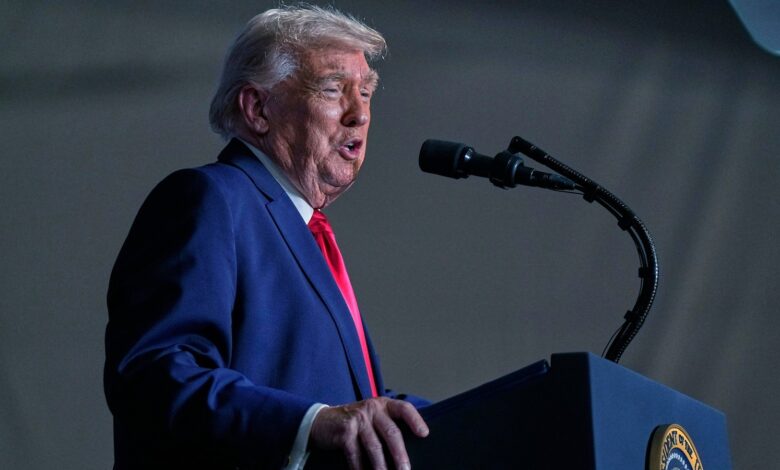
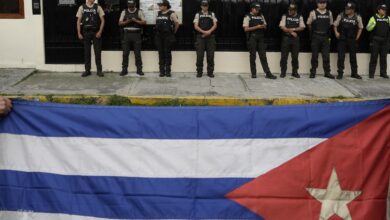
President Donald Trump made a significant announcement on Thursday, unveiling a plan to impose additional tariffs on countries that supply oil to Cuba. This action was taken after declaring a national security emergency related to the island nation.
In an executive order, Trump stated that the policies and actions of the Cuban government pose an unusual and extraordinary threat to U.S. national security and foreign policy. The order includes retaliatory tariffs on products entering the U.S. from any country that sells oil to Cuba.
The specific details of the new tariffs were not explicitly mentioned in the order. Instead, a panel consisting of secretaries of Commerce, State, Treasury, Homeland Security, and the U.S. trade representative will assess the situation and recommend additional tariffs if necessary. The final decision on imposing tariffs will rest with the President.
Trump’s order highlighted Cuba’s alleged alliances with Russia, China, Iran, Hamas, and Hezbollah, accusing the Cuban government of taking actions that harm and threaten the United States.
During an event at the Kennedy Center, Trump clarified that the goal was not to cripple Cuba’s economy but to address the mistreatment of Cuban Americans and the country’s alleged misconduct. He expressed his belief that Cuba, which heavily relied on income from Venezuela, was on the brink of collapse.
Commerce Secretary Howard Lutnick emphasized that the new order aimed to align U.S. foreign policy with the actions of allies and friends. He anticipated that the tariffs imposed would be reasonable and sensible, similar to previous decisions made by the administration.
The announcement of additional tariffs comes at a critical time as the Supreme Court considers the legality of the administration’s use of emergency powers to impose tariffs. It also follows a phone conversation between Trump and Mexican President Claudia Sheinbaum, during which they discussed border security, drug trafficking, and trade issues.
Trump’s warnings to the Cuban government have intensified in recent weeks, particularly after the capture of ousted Venezuelan leader Nicolas Maduro. He suggested that Cuba’s financial stability was at risk due to severed ties with Venezuela.
In previous statements, Trump had indicated that Cuba was teetering on the edge of collapse, highlighting the country’s dependence on Venezuelan oil revenue. The President reiterated his belief that Cuba was on the verge of economic turmoil, a situation that might be welcomed by many Cuban Americans.
The actions taken by the Trump administration reflect a shift in U.S. policy towards Cuba, with a focus on addressing national security concerns and foreign policy implications. The implementation of additional tariffs on countries supplying oil to Cuba underscores the administration’s commitment to safeguarding U.S. interests in the region.