Trump Touts Care Affordability, Omits Largest Cost Drivers — Hospitals
Health care affordability has become a pressing issue in recent times, with rising costs causing concern among the public and political figures. In his State of the Union address, President Trump took aim at various entities he believed were contributing to high health care costs, but notably left out hospitals, which are actually responsible for the largest share of cost growth in the health care sector.
While the President criticized health insurers for profiting off of Obamacare and pharmaceutical companies for charging high prices for prescription drugs, he failed to address the significant impact that hospitals have on overall health care costs. A recent analysis by the Kaiser Family Foundation revealed that hospital spending accounted for 40% of the growth in national health spending between 2022 and 2024, far surpassing the growth rates of other components of health care spending.
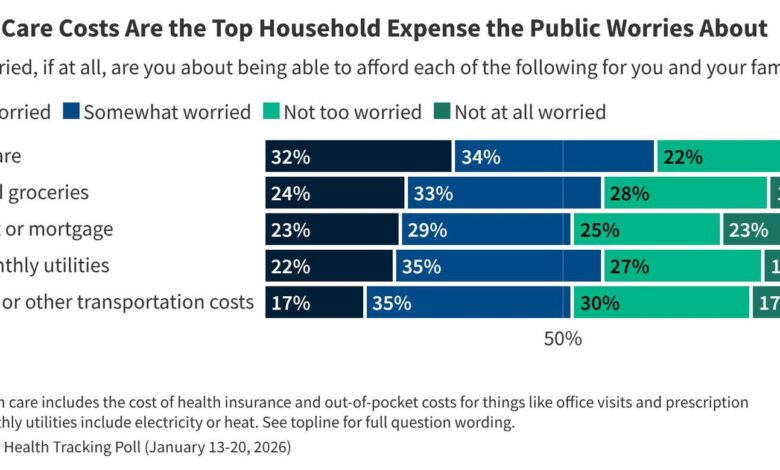
Despite promising maximum price transparency from hospitals and insurers in his healthcare plan, Trump did not mention any specific measures to address the rising costs attributed to hospitals in his speech. This oversight is particularly glaring given that a significant portion of the American public is deeply concerned about their ability to afford health care for themselves and their families.
The omission of hospitals from Trump’s address may have been a calculated political move, as hospitals are often viewed as essential local resources that provide both care for the sick and jobs for the community. Attacking hospitals, even indirectly, could risk alienating voters who have a strong affinity for their local healthcare facilities.
In an election year, politicians are keenly aware of the delicate balance between addressing concerns about health care costs and maintaining support from constituents who value their local hospitals. Despite the lack of mention in the State of the Union address, reports indicate that many hospitals are still not complying with price transparency rules, further underscoring the need for greater accountability in the healthcare sector.
Ultimately, the issue of health care affordability remains a complex and multifaceted challenge that requires a comprehensive and inclusive approach to address. By acknowledging the significant impact that hospitals have on rising costs and working towards greater transparency and accountability in the healthcare system, policymakers can take meaningful steps towards ensuring access to affordable and high-quality care for all Americans.