Trump unveils new tariffs on dozens of countries ahead of tonight’s midnight deadline
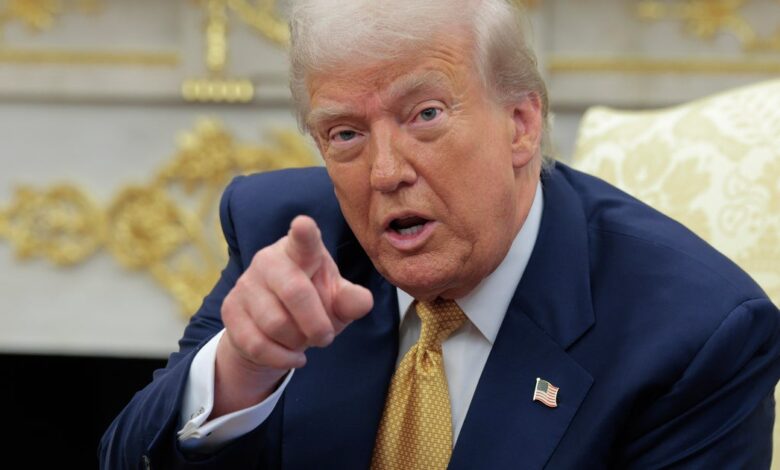
President Trump has announced higher tariffs against more than 60 U.S. trading partners, with the new duties set to go into effect next week. The president signed an executive order detailing tariff rates for imports from dozens of countries, ranging as high as 41% for Syria and 40% for Laos and Myanmar. Almost no country’s imports will face tariffs below 10%. The new tariffs are set to be applied to imports that are entered for consumption within seven days of the order.
The administration’s self-imposed deadline of midnight on Friday, August 1, has been looming for some time, with the president vowing not to extend the deadline beyond that date for most nations. The White House had initially set out to strike “90 deals in 90 days” earlier this year, but has fallen short of that goal. While some bilateral agreements have been announced with certain nations, including the EU, experts note that these deals lack the detailed specifics typically seen in trade agreements.
President Trump’s trade agenda aims to rewrite the rules of international commerce to benefit the U.S. and American workers. The administration has embraced tariffs as a means to reduce trade deficits, boost domestic manufacturing, generate revenue, and gain leverage in foreign policy. Despite some challenges in delivering on this ambitious agenda, the president has succeeded in changing trade terms with key economic partners.
Countries that have not yet reached trade deals with the U.S., such as Canada and Mexico, make up a significant portion of American imports. The new tariffs are part of the administration’s efforts to level the playing field in trade and ensure fair deals for the U.S. While there have been concerns about the economic uncertainty caused by the trade agenda, the White House insists that the tariffs will ultimately benefit American businesses and workers.
The tariff agenda has also been lucrative for the U.S., with the Treasury reporting a substantial increase in tariff revenue in June compared to the previous year. The administration maintains that these costs will be borne by foreign countries and that the tariffs will incentivize investment in U.S. manufacturing. Despite the challenges and uncertainties surrounding the trade agenda, President Trump remains committed to his efforts to reshape international trade in favor of the United States. Trade experts emphasize that tariffs are typically paid by importers, who then pass on these additional costs to consumers. This often results in higher prices for goods and services, impacting the wallets of everyday shoppers.
Consumers may not always be aware of the direct impact of tariffs on the prices they pay at the store. However, as importers are forced to pay more to bring goods into the country, they are likely to increase prices to maintain their profit margins. This means that consumers end up bearing the brunt of these tariffs through higher retail prices.
For example, if a tariff is imposed on imported steel, the cost of producing cars or appliances made with that steel will increase. As a result, consumers can expect to see higher prices for these products on the shelves. The same goes for imported goods like electronics, clothing, and household items – any additional costs incurred due to tariffs will likely be passed on to consumers.
In the end, tariffs can have a ripple effect throughout the economy, impacting not only consumers but also businesses that rely on imported goods for their operations. This can lead to decreased consumer spending, reduced business profits, and overall economic instability.
It is important for consumers to be informed about the potential impact of tariffs on their everyday purchases. By understanding how tariffs can lead to higher prices, individuals can make more informed decisions about their spending habits and advocate for policies that promote fair trade practices.