Trump vents China’s Xi Jinping is ‘extremely hard to make a deal with’ as trade talks stall
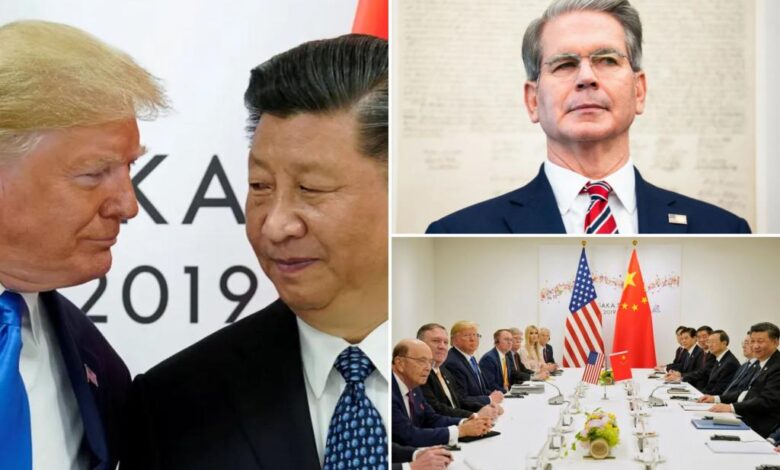
President Trump took to social media to express his frustration with Chinese leader Xi Jinping, calling him “extremely hard to make a deal with” as trade talks between the two nations continue to stall. In a late-night post on Truth Social, Trump emphasized his longstanding respect for Xi but highlighted the challenges of negotiating with him.
The tension between the US and China stems from accusations that Beijing has failed to uphold the terms of a recent agreement reached in Geneva. The deal, which included a 90-day truce and tariff reductions on both sides, has been marred by allegations of non-compliance on China’s part. The Trump administration has raised concerns about China’s reluctance to release certain goods as agreed upon, leading to a breakdown in trust between the two countries.
Treasury Secretary Scott Bessent acknowledged the difficulties in trade talks with China, citing issues with rare earth exports and export restrictions imposed by both nations. Despite these challenges, Trump and Xi are scheduled to speak on Friday in an effort to address the ongoing trade disputes. Trump has previously praised Xi’s leadership, acknowledging his control over a vast population and his strategic acumen.
Since taking office, President Trump has been focused on reshaping US trade relations, imposing tariffs on various imports and renegotiating trade agreements with key partners. His administration has implemented baseline tariffs and introduced customized rates on imports from different countries. The White House has set a deadline for other nations to present their best trade offers, signaling a continued push for fair and balanced trade agreements.
As the US-China trade talks remain at an impasse, the upcoming conversation between Trump and Xi will be crucial in determining the future of economic relations between the two superpowers. The complexities of negotiating with China, as highlighted by Trump’s recent comments, underscore the challenges of reaching a mutually beneficial agreement in the current global economic landscape.