Trump Wants To Lead The World In Crypto, Defends CZ Pardon
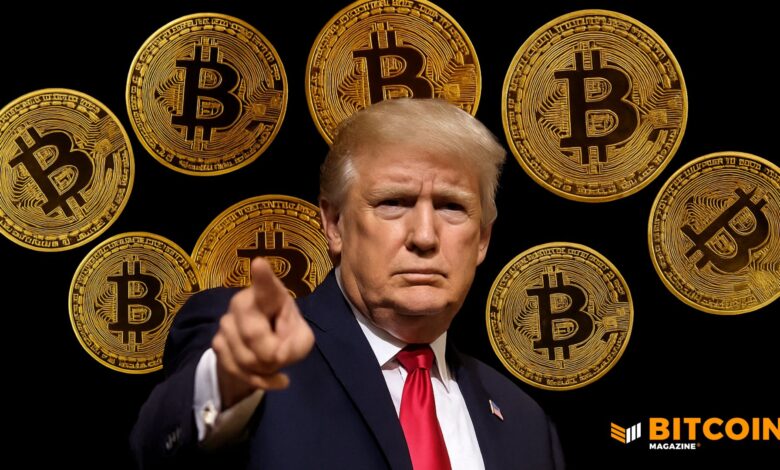
President Donald Trump’s recent interview on 60 Minutes has sparked a renewed focus on the importance of the United States maintaining dominance in the cryptocurrency space. In the interview, Trump emphasized that being number one in crypto is his top priority, citing the sector’s significance in global competition.
Describing the crypto industry as a high-stakes, winner-takes-all field akin to artificial intelligence in terms of national importance, Trump highlighted the need for the U.S. to maintain its leadership position. He pointed to China’s significant investments in crypto and underscored the crucial role of American leadership in preventing other nations from overtaking the market.
Acknowledging that his sons are more involved in the industry than he is, Trump noted their business pursuits as evidence of the sector’s growth and potential. He also referenced his previous campaigns’ support for crypto, claiming that it helped secure what he called the “crypto vote” and aligning with his broader efforts to strengthen American technological leadership.
The conversation around crypto also touched on Trump’s controversial pardon of Binance founder Changpeng Zhao, known as CZ. Following accusations of illicit transactions and inadequate anti-money-laundering controls, CZ pleaded guilty, resigned as CEO, and paid a personal fine. Trump’s decision to pardon Zhao, after lobbying efforts and claims of political bias, was framed as ending the “Biden Administration’s war on crypto” by White House press secretary Karoline Leavitt.
Defending the pardon in his 60 Minutes interview, Trump portrayed it as a corrective action against what he deemed as political bias from the Biden administration. He emphasized his belief in safeguarding U.S. crypto leadership, asserting that his decision was based on protecting the industry rather than personal connections or political gain.
The intersection of politics and cryptocurrency continues to evolve, with Trump’s stance on maintaining U.S. dominance in the crypto space and his controversial decision to pardon CZ sparking debate and shaping the future of cryptocurrency policy.