Trump wants to replace grocery aid for seniors with “MAHA food boxes”
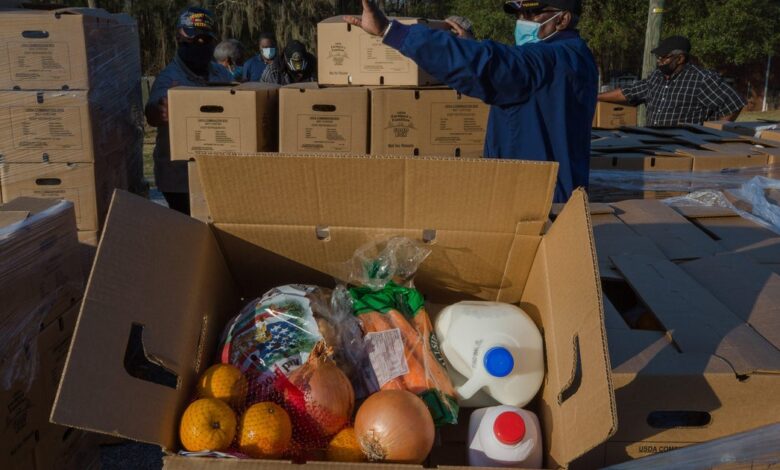
The Trump administration’s proposed budget for the upcoming year has sparked concern for a small food aid program that serves low-income senior citizens. The Commodity Supplemental Food Program (CSFP), which currently provides assistance to about 730,000 seniors annually, could see funding cuts under the new plan. Instead of the CSFP, seniors would receive “MAHA food boxes” filled with products directly from farmers.
The MAHA food boxes, named after Health and Human Services Secretary Robert F. Kennedy Jr.’s pledge to “Make America Healthy Again,” aim to provide seniors with wholesome foods sourced from domestic farmers. The Trump administration believes that this approach would be more beneficial than the current system of using food banks, which often provide shelf-stable foods high in sodium and other unhealthy ingredients.
However, critics of the proposed changes, such as George Matysik, executive director of Share Food Program in Philadelphia, have raised concerns about the logistical challenges of distributing perishable foods directly to seniors. Matysik also questions whether the foods in the MAHA boxes would meet the needs of seniors who may require shelf-stable items due to mobility issues.
Share Food Program relies on CSFP funding to provide food boxes to thousands of low-income seniors in the Philadelphia region. Matysik disagrees with the administration’s claims that the program provides unhealthy foods, noting that the boxes typically contain nutritious items like canned vegetables, lean proteins, and pastas. He emphasized the importance of delivering these essential items directly to seniors’ doorsteps, making access to nutritious food easier for those in need.
While the Trump budget proposal is not a guarantee of funding cuts to the CSFP, it reflects a broader effort by the administration to reduce spending on similar programs. The MAHA food boxes initiative aligns with Secretary Kennedy’s focus on promoting natural foods and alternative medicines, as well as removing processed foods from school lunches.
Despite the potential benefits of the MAHA food boxes, concerns remain about the impact on low-income seniors who rely on programs like the CSFP. With ongoing discussions about cuts to essential programs like SNAP, Medicaid, and Medicare, advocates like Matysik are worried about the future of food assistance for vulnerable populations.
As the debate continues over the proposed changes to food aid programs, it remains to be seen how the administration will address the needs of low-income seniors and ensure access to nutritious food for those who need it most. As our federal government continues to navigate funding decisions, concerns are growing for our senior citizens. The impact of budget cuts and allocation changes on programs that directly support older adults is causing worry and uncertainty for many. With a rapidly aging population, it is crucial that we prioritize the well-being and care of our seniors.
One of the main areas of concern is the potential cuts to Medicare and Medicaid, which are essential programs that provide healthcare coverage for millions of seniors. Any reductions in funding to these programs could have devastating effects on the ability of older adults to access necessary medical care and services. Additionally, changes to Social Security benefits could further strain the financial security of seniors who rely on these payments as a primary source of income.
The lack of adequate funding for senior services and programs also raises questions about the quality of care and support that our older population will receive. From home healthcare services to assisted living facilities, many seniors rely on government-funded programs to maintain their independence and quality of life. Any cuts to these services could result in reduced access to vital resources and support for seniors in need.
It is crucial that our government prioritize the needs of our senior citizens and ensure that they are not disproportionately affected by budget decisions. Advocacy groups and organizations dedicated to supporting older adults are working tirelessly to raise awareness about these issues and advocate for adequate funding for senior programs. It is up to all of us to stand up for our seniors and ensure that they receive the care and support they deserve in this challenging funding environment.
In conclusion, the current funding environment from our federal government is causing significant concern for our senior citizens. It is imperative that we prioritize the needs of older adults and ensure that they have access to the resources and support they require to thrive. By advocating for adequate funding for senior programs and services, we can help protect the well-being and dignity of our aging population.