Trump’s 50% steel and aluminum tariffs take effect today. Here’s what could get more expensive.
The Trump administration made a significant move today by raising tariffs on aluminum and steel to 50%. This decision is expected to have a ripple effect on various industries, potentially increasing costs for consumers across the board.
While the United States has its own domestic metals manufacturing sector, it also heavily relies on imports from other countries. In fact, America imported 26.2 million metric tons of steel and 5.4 million metric tons of aluminum from abroad last year, with Canada being the largest foreign source for both metals.
The White House’s rationale behind these tariffs is to reduce America’s dependence on foreign nations for essential materials, citing national security concerns. President Trump announced the doubling of the tariffs from 25% to 50% during a visit to a U.S. Steel mill in Pittsburgh on May 30. These higher tariffs went into effect at 12:01 a.m. EST on Wednesday.
While some major steel manufacturers have welcomed the increased tariffs, experts warn that the costs will ultimately be passed on to consumers. This means that a wide range of products, from cars to household appliances, could see price hikes due to the higher manufacturing costs incurred by businesses.
One industry that is expected to feel the impact of these tariffs is the automobile sector. Car manufacturers heavily rely on steel and aluminum for various components of vehicles. With steel accounting for 60% of the weight of an average vehicle, a 50% tariff could potentially increase the cost of a car by hundreds of dollars.
Sports equipment, such as baseball bats and tennis rackets, which contain aluminum, may also see price increases. Additionally, beverages in cans, like beer and soda, are likely to become more expensive as a result of the steel and aluminum tariffs.
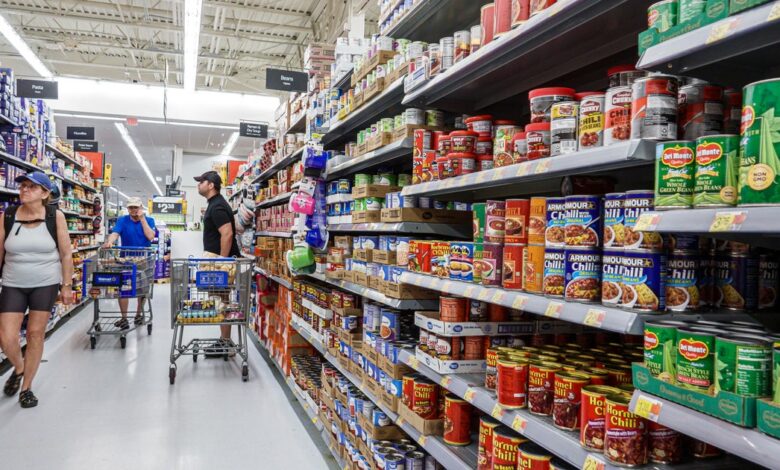
Canned goods and packaged grocery items, as well as household appliances and supplies, could also see price hikes. Even building materials used in home construction are expected to be impacted, leading to higher home prices overall.
Overall, the new 50% tariffs on steel and aluminum are likely to have a widespread impact on consumers, making everyday items more expensive to purchase. It remains to be seen how businesses will navigate these increased costs and whether consumers will bear the brunt of the tariff-related price hikes.