Trump’s Bill Could Drastically Change Student Loans
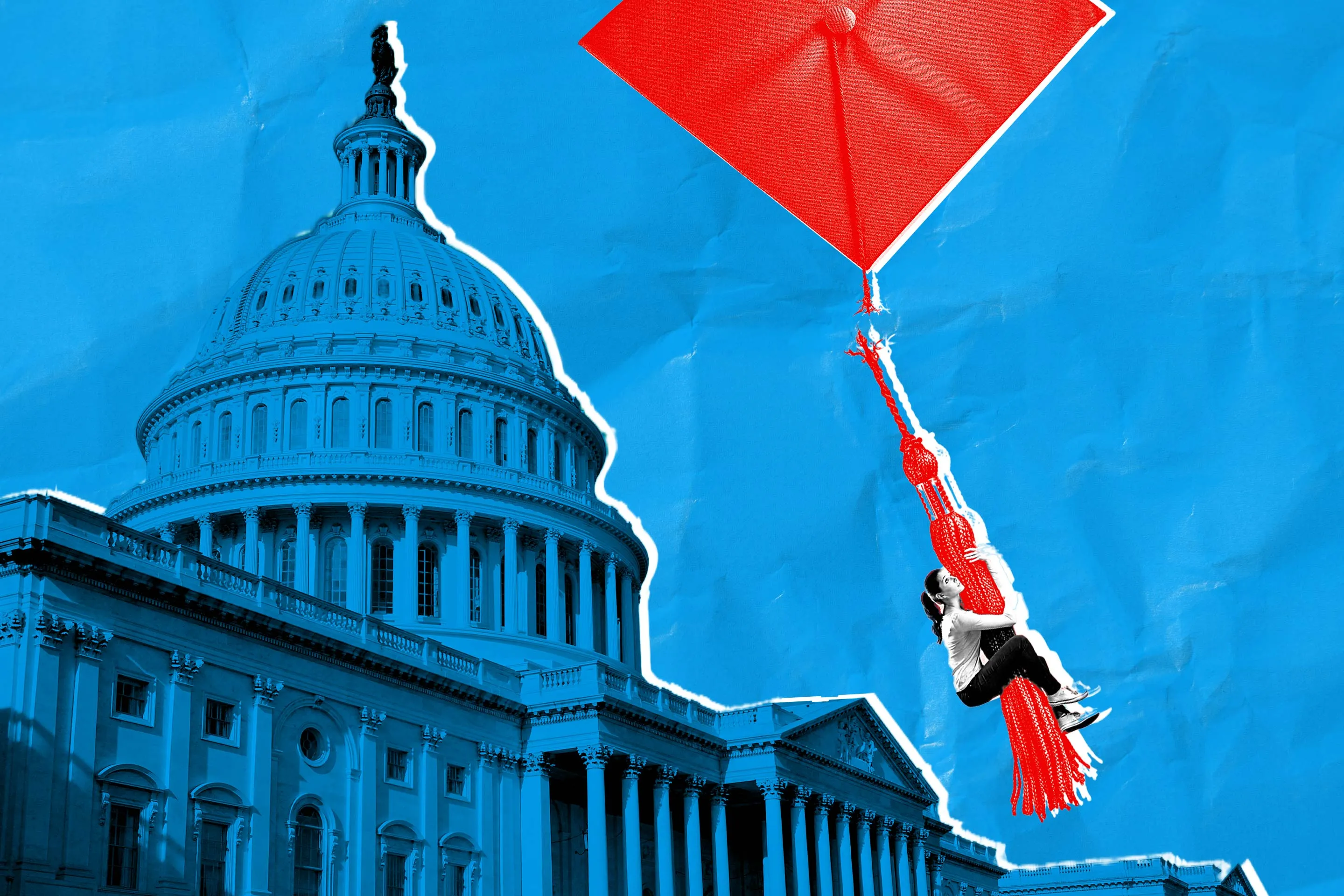
The Trump administration’s comprehensive budget deal is set to bring significant changes to the handling of student loans in the United States. While much attention has been on tax breaks, immigration, and health insurance, the legislation includes provisions that will impact federal student loans and grants.
The U.S. House of Representatives and the Senate subcommittee have both put forward versions of the bill, focusing on student loan reform. The proposed changes aim to overhaul the current federal student loan repayment system, affecting both current and future borrowers.
One of the key aspects of the bill is the introduction of a new loan repayment system. The plan is to streamline the existing eight repayment plans into two main options: a standard repayment plan ranging from 10 to 25 years, and a Repayment Assistance Plan (RAP) for struggling borrowers. The RAP will base monthly payments on a percentage of the borrower’s adjusted gross income, with remaining balances canceled after 30 years of on-time payments.
Additionally, the bill proposes limits on student loan types and amounts. Borrowing limits for students and parents are set to change, with caps on lifetime borrowing amounts and annual loan limits for different categories of borrowers. The bill also includes plans to phase out the Grad PLUS loan program entirely.
Stricter payment requirements for struggling borrowers are also on the table. The bill aims to remove certain forms of deferment for low-income borrowers, tightening the rules around economic hardship and unemployment deferments.
Changes to Pell Grants are also part of the proposed reforms. The bill seeks to introduce restrictions on award amounts for certain eligible students and create a new Workforce Pell program for attendees of workforce training programs. Differences between the House and Senate versions include definitions of full-time student status and eligibility criteria for Pell Grants.
As the bill progresses towards a vote, some proposals may undergo changes, particularly in areas like Pell Grants and loan limit caps where there are differences between the House and Senate versions. The use of the budget reconciliation process may also lead to last-minute adjustments, as provisions could be challenged under the Byrd Rule.
Ultimately, the fate of the student loan reforms lies in the hands of lawmakers and procedural advisors. The intricate details of the bill, its implications, and potential challenges will shape the future of federal student loans and grants in the United States.