Trump’s budget proposal would cut some discretionary spending, increase defense spending
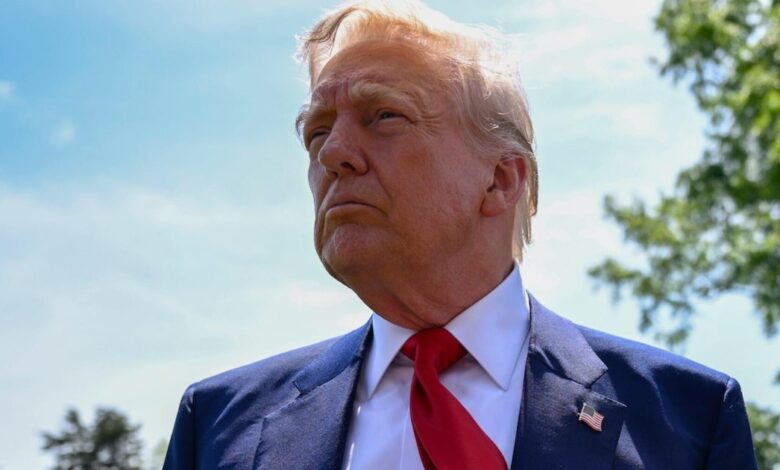
President Trump’s budget proposal for fiscal year 2026 is set to make significant cuts to non-defense discretionary spending while increasing defense spending, according to a senior official from the Office of Management and Budget. The budget plan, if approved by Congress, would see a 22% reduction in non-defense discretionary spending, amounting to a $163 billion decrease from current levels. In contrast, defense spending would exceed $1 trillion for the first time ever.
The proposed budget aims to streamline government operations and tackle bureaucracy, with a particular focus on the Department of Government Efficiency (DOGE). The White House’s efforts to trim federal funding authorized by Congress would complement the proposed cuts, marking a historic effort to address long-standing inefficiencies in government spending.
Under the president’s budget recommendation, all discretionary spending would total $1.7 trillion, down from $1.83 trillion in the current fiscal year. Defense spending would see a 13% increase, reaching unprecedented levels. This would result in the lowest non-defense discretionary spending since 2017 or, adjusted for inflation, since 2000.
While specific deficit and revenue projections have not been disclosed by the White House, the budget proposal now awaits consideration by the Republican-controlled Congress. On average, agencies would face around 35% in cuts, with exceptions such as the Department of Homeland Security receiving additional funding. However, entities like the State Department and Department of Health and Human Services would experience substantial reductions.
Foreign aid would also undergo significant cuts under the proposed budget, though provisions would be made to ensure targeted aid aligns with U.S. interests. Despite these efforts, programs like Social Security, Medicare, and Medicaid remain key contributors to the federal deficit and national debt, highlighting the ongoing challenge of fiscal sustainability.
A senior administration official emphasized President Trump’s active involvement in shaping the budget proposal, drawing from past budgetary initiatives and addressing the fiscal impact of the previous administration. The proposed budget reflects a comprehensive approach to fiscal responsibility and government efficiency.
Contributor Sara Cook provided insights into the budget proposal, shedding light on the administration’s priorities and objectives. As the budget proposal navigates the legislative process, its implications for government operations and spending priorities will continue to be debated and scrutinized.