Trump’s higher tariff rates hit goods from major US trading partners
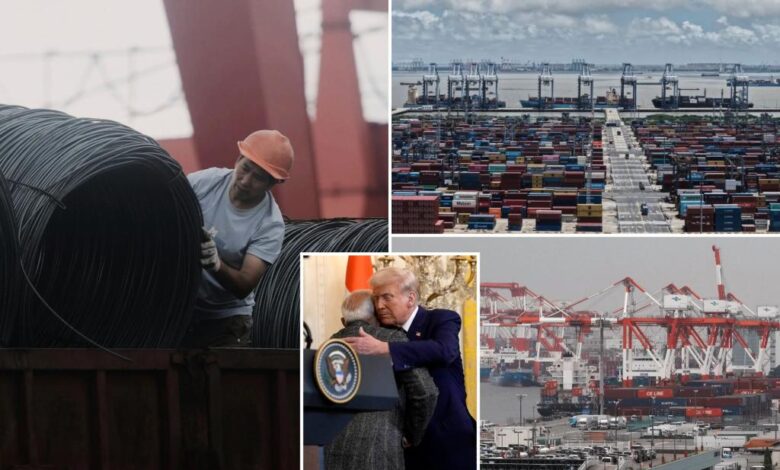
President Donald Trump’s implementation of higher tariff rates ranging from 10% to 50% on numerous trading partners went into effect on Thursday, marking a significant shift in US trade policy. The goal of these tariffs is to reduce trade deficits without causing major disruptions to global supply chains, inflation spikes, or retaliation from other countries.
The US Customs and Border Protection agency started collecting the increased tariffs at 12:01 a.m. EDT after a period of uncertainty regarding the final tariff rates and negotiations with major trading partners to lower them. Goods that were in transit before the deadline can still enter the US at the previous lower tariff rates until October 5, as per a notice issued by CBP to shippers.
Previously, imports from many countries were subject to a baseline 10% import duty after Trump initially paused higher rates announced in April. However, the President has since adjusted the tariff rates, imposing much higher rates on certain countries, such as 50% for Brazil, 39% for Switzerland, 35% for Canada, and 25% for India.
In addition, a separate 25% tariff on Indian goods was announced on Wednesday due to the country’s purchases of Russian oil. Trump has emphasized the economic benefits that the US will receive from these tariffs, particularly from countries that he believes have taken advantage of the United States.
Several major trading partners, including the European Union, Japan, and South Korea, have reached framework deals with Trump, reducing their base tariff rates to 15%. Other countries like Britain, Vietnam, Indonesia, Pakistan, and the Philippines have also secured rate reductions. However, countries with high duties, such as India and Canada, are still working to address the impact of the tariffs.
Trump’s tariff strategy includes national security-based sectoral tariffs on various goods, with plans to potentially raise tariffs on microchips to 100%. China is on a separate tariff track and faces the possibility of tariff increases unless a truce extension is approved. The financial markets have largely remained stable despite the new tariffs, with stock markets in Asia performing well.
The implementation of these tariffs is expected to increase federal revenues significantly, with Treasury Secretary Scott Bessent estimating revenues could exceed $300 billion annually. However, the average US tariff rates are projected to reach around 20%, the highest in a century. Recent data from the Commerce Department indicates that tariffs have started to drive up prices in the US, impacting various industries.
Overall, the effects of Trump’s tariff policies are being felt by companies across different sectors, leading to potential profit reductions. Global companies like Caterpillar, Marriott, Molson Coors, and Yum Brands are already facing financial challenges due to the tariffs. Despite the economic implications, Trump remains committed to his trade strategy, aiming to reshape US trade relationships and reduce trade imbalances.