Trump’s Tariffs Might Impact How Big Your Raise Is in 2026

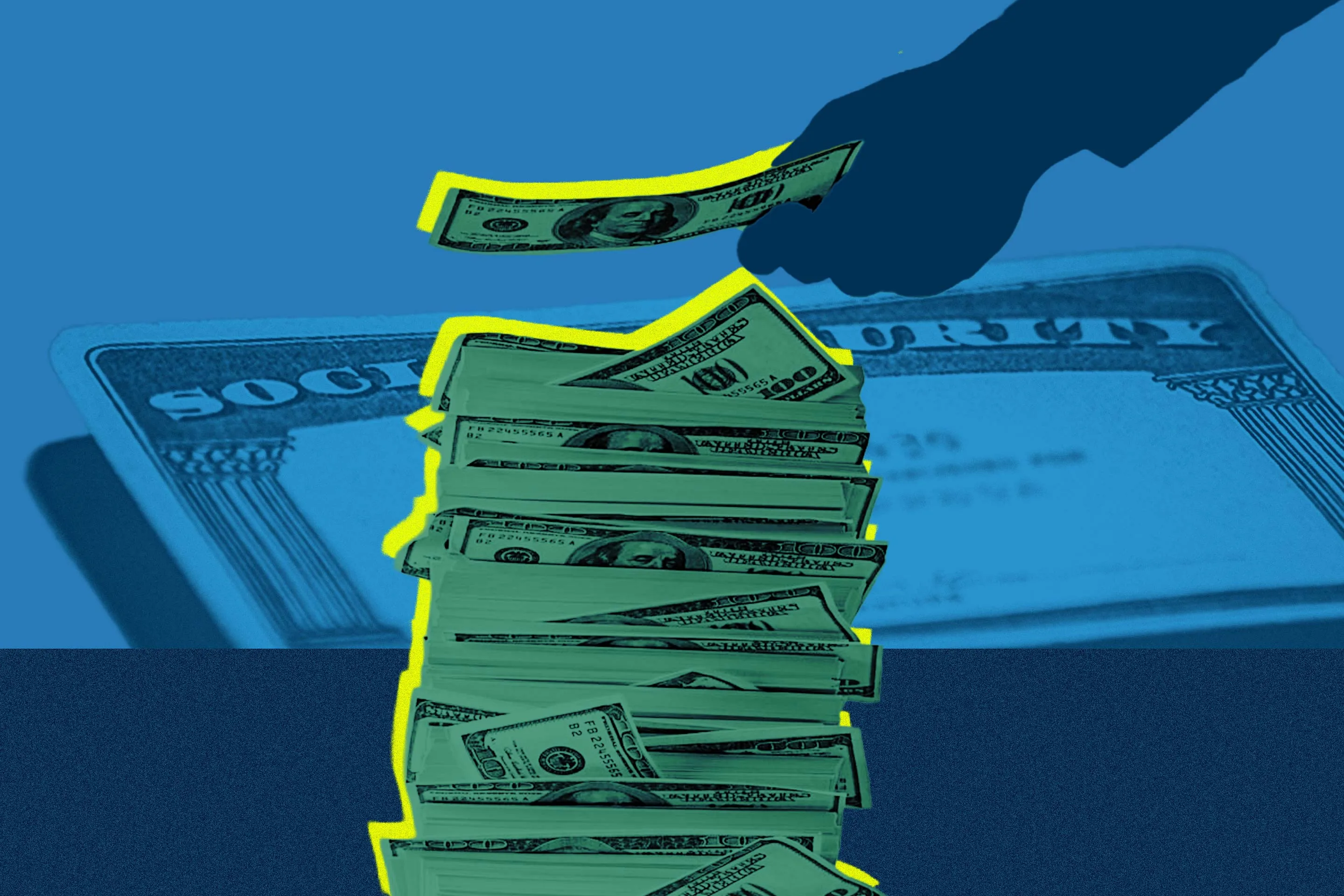
Employers are projecting above-average raises for employees in the coming year, despite signs of a cooling labor market. Recent reports indicate that businesses are planning to increase their salary budgets by about 3.5% in 2026, a slight uptick from the pre-pandemic norm of 3%.
Diana Scott, an executive at The Conference Board, a business think tank, highlighted that companies are becoming more strategic with their salary allocations. Rather than spreading increases across the board, employers are focusing their budgets on roles and skills that have a significant impact on the organization.
The Conference Board’s 40th salary budget report, based on a survey of 450 employers, revealed that companies are planning to increase salaries by an average of 3.4% next year. This figure is supported by other recent surveys, including one from Willis Towers Watson and Payscale, which also indicate an average raise of 3.5%.
While these projections are subject to change, historical data shows that proposed budgets typically align with actual raises. However, economic uncertainty is causing concern among employers, with 61% reporting hesitancy in their workforce plans due to uncertain economic conditions.
When it comes to who will receive the biggest raises next year, industries such as leisure and hospitality, finance, and healthcare are expected to offer the highest increases. Conversely, workers in local government, nonprofits, transportation, and education may see lower average raises.
The unease among businesses is further compounded by U.S. trade policy under President Donald Trump. The administration’s approach to tariffs and trade negotiations has created uncertainty for businesses, with ongoing legal battles challenging the president’s authority to impose tariffs.
Despite these challenges, employers remain committed to providing competitive salary increases to attract and retain top talent. By focusing on strategic salary allocations and adapting to changing economic conditions, businesses aim to navigate the complexities of the labor market and ensure continued growth and success in the coming year. Businesses are currently facing a tumultuous trade environment that seems to be never-ending. The ongoing trade war and uncertainty surrounding tariffs have created a roller coaster for businesses that they can’t seem to get off. Even if these tariffs are eventually struck down, the uncertainty for businesses remains high, as there is a strong possibility that the administration will turn to other authorities to impose duties.
The impact of tariffs and policy uncertainty on businesses is significant, according to financial firm Principal. The weight of these challenges is taking a toll on business owners who are struggling to find a balance amidst the chaos. Amy Freidrich, president of benefits and protection at Principal, highlighted the challenges faced by business owners in a recent statement. She noted that businesses have absorbed as much as they can and are now feeling the full weight of new tariffs, leading to an unpredictable economic landscape that hinders their planning efforts.
One of the major consequences of this uncertainty is the difficulty businesses face in projecting their operating expenses, making it challenging to plan their salary budgets effectively. The constant fluctuations in trade policies and tariffs make it hard for businesses to make informed decisions about their financial future.
As businesses navigate this trade roller coaster, the need for stability and clarity in trade policies becomes more pressing. Without a clear path forward, businesses will continue to struggle with uncertainty and volatility, making it difficult for them to thrive and grow. It is crucial for policymakers to provide businesses with the clarity and predictability they need to make informed decisions and plan for the future. Only then can businesses truly break free from the trade roller coaster that is holding them back.