U.K. expanding its sugar tax to include milk-based drinks
London — The battle against sugar in British supermarkets continues as the U.K. government extends its sugar tax to include coffee drinks and milkshakes in an effort to combat obesity. Dr. Kawther Hashem, a nutritionist who played a key role in lobbying for the sugar tax, emphasized the urgency of addressing the sugar crisis, stating that it is a leading cause of hospital admissions for children in the U.K.
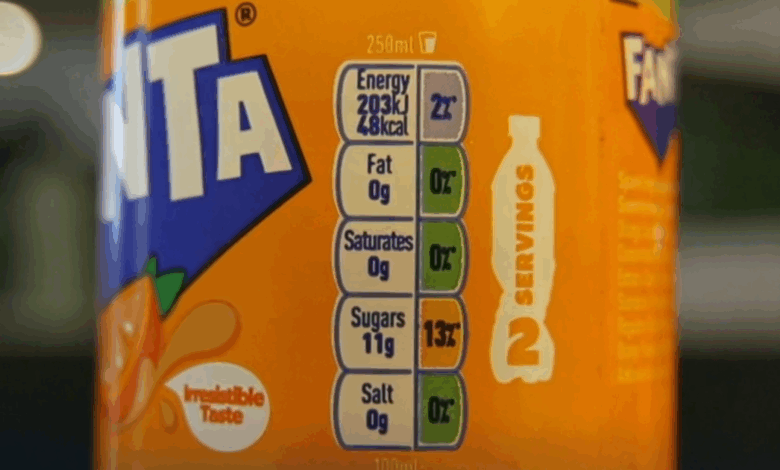
Hashem pointed out that soft drinks were identified as the biggest contributor to sugar intake in the population, prompting the government to impose a tax on sugary drinks in 2018. The tax, which ranges up to 30 cents per liter for drinks with 8 grams or more of sugar per 100 milliliters, incentivized manufacturers to reduce sugar content to avoid the tax.
As a result, many British drinks now contain artificial sweeteners like aspartame instead of sugar, leading to a significant shift in product formulations compared to their U.S. counterparts.
This week, the U.K. Department of Health and Social Care announced the expansion of the sugar levy to include milk-based drinks such as milkshakes, flavored milks, sweetened yogurt drinks, chocolate milk, and certain coffees. The new regulations, set to take effect by January 2028, require companies to comply with lower sugar thresholds to avoid the tax.
The government’s announcement highlighted the success of the sugar tax in prompting companies to reduce sugar content in popular drinks to evade taxation, with the expectation that the same approach will be adopted for the newly added categories.
The revised guidance now sets the sugar threshold at 4.5 grams per 100 milliliters, down from the previous 5 grams limit.
A study by University of Cambridge researchers revealed that the sugar tax has prevented 5,000 cases of obesity annually among 10- and 11-year-old girls.
Jules Dunlop, an American mother residing in the U.K., shared her experience of living in a country with healthier food options. Despite not being health-conscious, Dunlop noted the noticeable difference in the availability of healthier versions of junk food in the U.K. compared to the U.S. She mentioned that the reduced sugar intake in the U.K. has improved her energy levels and skin clarity.
Dunlop highlighted the overall healthier lifestyle in Europe due to lower sugar consumption and emphasized the impact of living in a country with stricter regulations on sugar content.
While some U.S. cities have implemented sugar taxes, the lack of a national policy makes it unlikely for manufacturers in the U.S. to reformulate their drinks to reduce sugar content.