U.S. allies at NATO focus on Europe as the Trump administration steps back
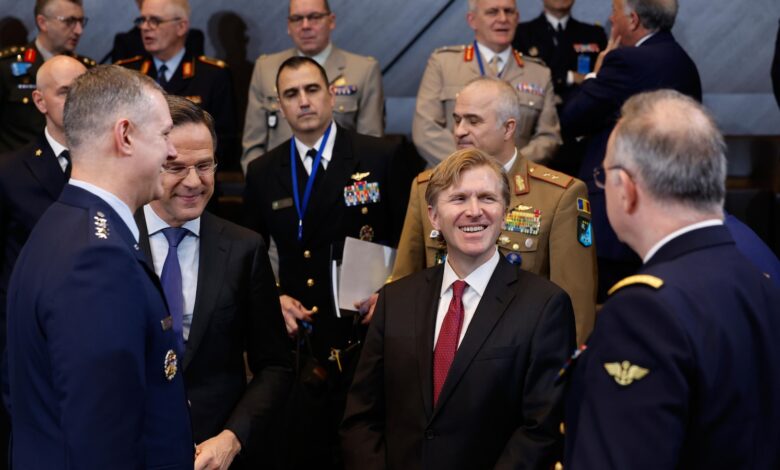
In a recent NATO meeting in Brussels, European allies expressed their commitment to defending Europe despite the absence of U.S. Defense Secretary Pete Hegseth. This marks a departure from the traditional leadership role the United States has played within the organization.
The no-show of Hegseth at the meeting raised eyebrows, especially since it was the second consecutive meeting that a high-ranking U.S. official had missed. However, European leaders downplayed the significance of his absence, emphasizing that each member nation has its own responsibilities to fulfill.
The origins of NATO date back to 1949, with its primary goal being to keep the Americans in, the Russians out, and the Germans down. Fast forward to the present day, and Germany has pledged significant resources to modernize its armed forces in the wake of Russia’s invasion of Ukraine.
While there are concerns about the U.S. stepping back from its leadership role, NATO Secretary-General Mark Rutte stressed the importance of European allies and Canada taking on a greater share of the defense responsibilities. This includes increased spending on conventional weapons and defense, while the U.S. continues to guarantee NATO’s nuclear deterrent.
Despite uncertainties surrounding the Trump administration’s approach to NATO, European allies remain committed to supporting Ukraine in its conflict with Russia. Countries like the U.K., Sweden, and the Netherlands have pledged additional military support, including funding for weapons and training for Ukrainian fighter pilots.
One of the key outcomes of the recent NATO meeting was the launch of Arctic Sentry, a response to security concerns in the Arctic region. This initiative aims to counter Russian and Chinese activities in the area and will involve military drills conducted by NATO member states.
Overall, European allies are focused on strengthening their defense capabilities and collaboration within NATO, even in the absence of full U.S. participation. The organization remains a crucial pillar of transatlantic security and cooperation, with member nations working together to address evolving security challenges.