U.S. and EU flesh out trade commitments under new framework deal. Here’s what is in the pact.
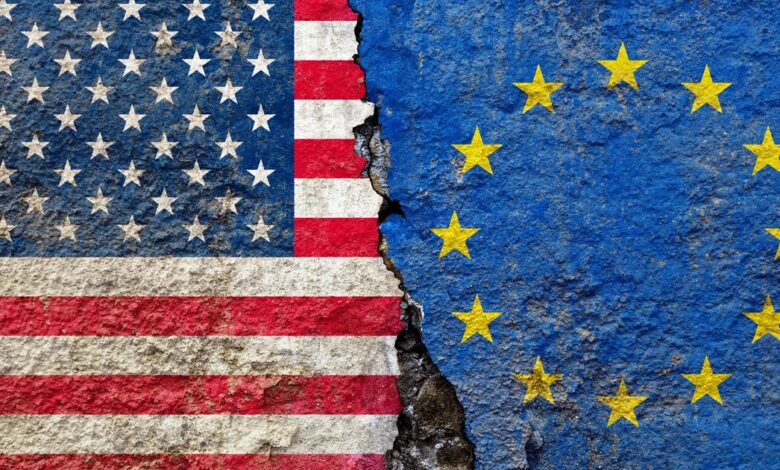
The recent announcement by the Trump administration and the European Union regarding a new trade agreement has sparked optimism for both parties. The agreement includes a 15% tariff on imports of European cars, pharmaceuticals, and other products, while the EU will eliminate tariffs on American industrial exports and offer preferred terms for certain seafood and farm products. This framework, although not yet finalized, sets the stage for further trade negotiations between the U.S. and the EU.
During a meeting at President Trump’s Turnberry golf course in Scotland, he and European Commission President Ursula von der Leyen laid the groundwork for this agreement. The pact aims to limit import duties on most European goods to no more than 15%, pending legislative actions by the EU. Additionally, the agreement covers significant energy purchases and investments by both parties.
“This Framework Agreement represents a concrete demonstration of our commitment to fair, balanced, and mutually beneficial trade and investment,” stated a joint statement from the White House and EU. With the U.S. and EU accounting for 44% of the global economy, this agreement holds significant weight in the international trade landscape.
Key provisions of the framework pact include preferential market access for U.S. agricultural goods and seafood in the EU, a pledge to increase procurement of U.S. AI chips, and the streamlining of requirements for sanitary certificates for certain products. The EU also committed to addressing concerns regarding the EU Deforestation Regulation to avoid negative impacts on U.S.-EU trade.
EU Trade Commissioner Maros Sefcovic expressed support for the agreement, highlighting its strategic importance for various sectors such as cars, pharmaceuticals, semiconductors, and lumber. The deal signifies a step towards strengthening the trade relationship between the U.S. and the EU.
In conclusion, the new trade agreement between the U.S. and the EU holds promise for both parties by promoting fair and mutually beneficial trade practices. As negotiations progress, the framework pact sets the stage for increased cooperation and economic benefits for both sides.