U.S. birth rate hits all-time low, CDC data shows
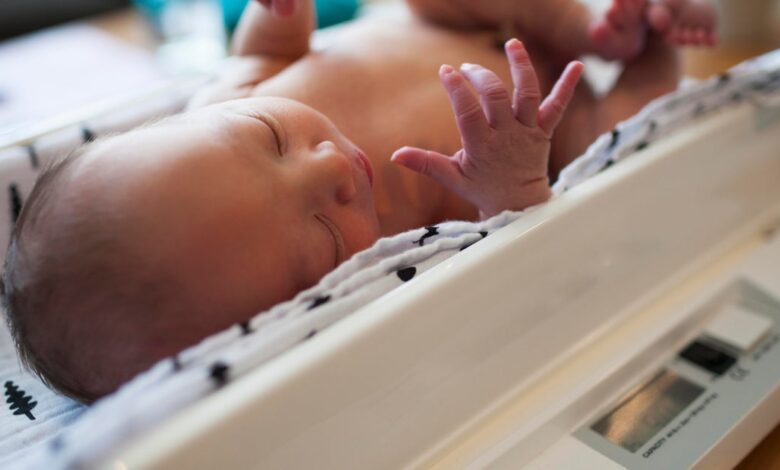
In 2024, the fertility rate in the United States hit a record low, with fewer than 1.6 children being born per woman, according to federal data released on Thursday. This decline marks a significant shift from previous generations, where the fertility rate was around 2.1 children per woman, enough to sustain the population.
Over the past two decades, the fertility rate in the U.S. has been steadily decreasing as more women choose to delay childbirth or opt not to have children at all. This trend has brought the U.S. in line with western European countries in terms of fertility rates, as reported by the World Bank.
Concerned by this downward trend, the Trump administration has taken steps to address falling birth rates. In February, an executive order was issued to expand access to and reduce costs of in vitro fertilization (IVF). Additionally, the administration has supported the idea of “baby bonuses” to incentivize couples to have children.
Leslie Root, a researcher at the University of Colorado Boulder specializing in fertility and population policy, reassures that while the fertility rate is declining, the U.S. population is still growing overall. The Centers for Disease Control and Prevention (CDC) released the latest data on the total fertility rate for 2024, showing a slight decrease from the previous year.
Factors Contributing to the Decline
Various factors are contributing to the continuing decline in birth rates across different age groups. Karen Guzzo, director of the Carolina Population Center at the University of North Carolina, notes that people are getting married later and are concerned about the financial and logistical challenges of raising children in today’s society.
Guzzo emphasizes the importance of addressing larger issues such as parental leave and affordable childcare, rather than relying solely on symbolic measures like baby bonuses. Despite a slight increase in births in 2024, birth rates for women in their 20s and early 30s decreased, with no change for women in their late 30s.
The CDC’s latest report attributes these fluctuations to recalculations based on changes in U.S. Census population estimates. As the population of women of childbearing age grows due to immigration, it offsets minor increases in births within specific age groups.