U.S. budget deficit hit $316 billion in May
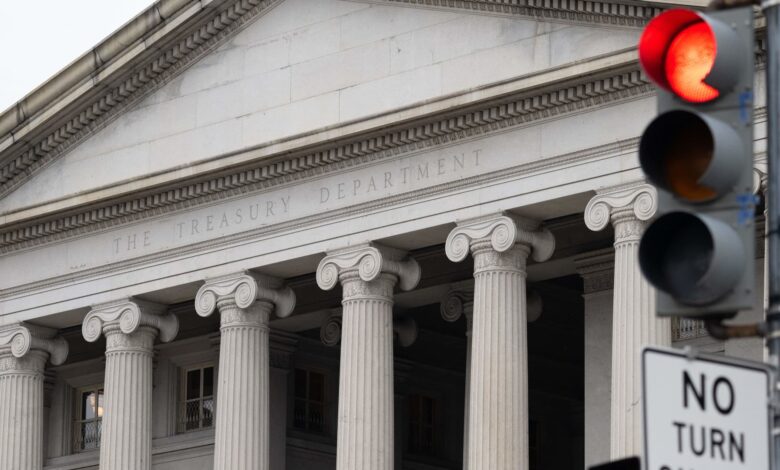
The U.S. government’s financial situation took a turn for the worse in May, as reported by the Treasury Department. Despite briefly experiencing a surplus in April due to tax season, the deficit for May reached over $316 billion, bringing the year-to-date total to $1.36 trillion.
Compared to the previous year, the annual deficit was 14% higher, although it was 9% lower than the deficit in May 2024. One of the major contributors to the fiscal issues was the surging financing costs, with interest on the $36.2 trillion debt amounting to over $92 billion. In fact, interest expenses on the debt exceeded all other outlays except for Medicare and Social Security. Debt financing is projected to exceed $1.2 trillion for the fiscal year, with $776 billion already spent in the first eight months.
Despite the increase in tax revenue, which rose by 15% in May and 6% from a year ago, expenditures also grew by 2% monthly and 8% annually. Tariff collections helped offset some of the shortfall, with gross customs duties totaling $23 billion for the month and $86 billion for the year, a 59% increase from 2024.
Yields on Treasury bonds have remained relatively high, standing at around 4.4%, almost unchanged from a year ago. Recent warnings from Wall Street leaders such as JPMorgan Chase CEO Jamie Dimon, BlackRock CEO Larry Fink, and Ray Dalio from Bridgewater Associates have highlighted the potential turmoil that could arise from the growing debt burden. The current deficit is running at more than 6% of the gross domestic product, a level rarely seen during peacetime in the U.S. economy.
As financial concerns continue to mount, it is essential for policymakers to address the growing deficit and debt issues to ensure the long-term stability of the U.S. economy.