U.S.-China agree on framework to implement Geneva trade consensus
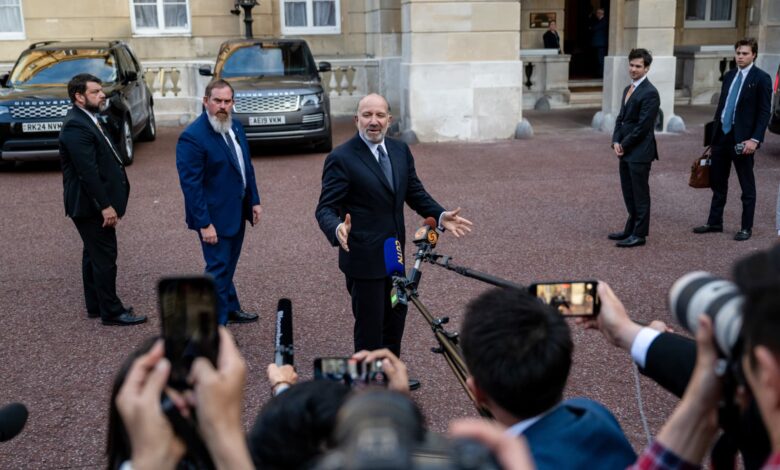
The recent trade talks between the U.S. and China have yielded positive results, with both sides reaching an agreement after high-level discussions in London. U.S. Commerce Secretary Howard Lutnick and China’s international trade representative Li Chenggang confirmed that a framework has been established to implement the Geneva consensus and the recent phone call between President Donald Trump and President Xi Jinping.
The phone call between the two leaders helped stabilize the relationship between the two countries, which had been tense due to accusations of violating the Geneva trade agreement. Both countries had agreed to a 90-day suspension of reciprocal tariffs and other measures during a meeting in Switzerland in mid-May.
Lutnick and U.S. Trade Representative Jamieson Greer will be returning to Washington, D.C., to seek approval from President Trump for the framework. If approved by both leaders, the framework will be implemented. However, there are still some disagreements and unresolved details that require internal discussion, according to Jianwei Xu, a senior economist at Natixis.
One key component of the agreement is the resolution of Chinese restrictions on rare-earth exports to the U.S. Lutnick stated that this issue is fundamental to the agreement, and the U.S. expects it to be resolved as part of the framework implementation. In return, U.S. restrictions on sales of advanced technology to China will be rolled back.
While Chinese state media had initially been silent on the trade talks, Vice Commerce Minister Li mentioned that the discussions had helped build bilateral trust. Both sides are now set to brief their leaders on the details of the agreement.
Participants in the talks included Chinese Vice Premier He Lifeng, Chinese Minister of Commerce Wang Wentao, and U.S. Treasury Secretary Scott Bessent, who will be returning to the U.S. to testify before Congress. The markets are eagerly awaiting details on the trade framework, with China’s CSI 300 index trading slightly higher and U.S. stock futures down as investors seek clarity on the agreement.
Overall, the trade agreement represents a step towards de-escalation and continued dialogue between the two economic powerhouses, although the final outcome and concrete agreements remain uncertain. As both countries work towards resolving their differences, the global economy stands to benefit from a more stable trade relationship between the U.S. and China.