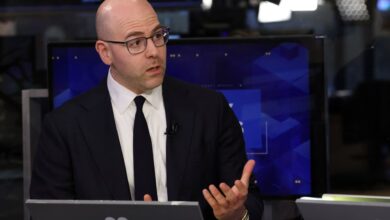
U.S.-China talks ‘stalled’ and need Trump and Xi to weigh in, Bessent says
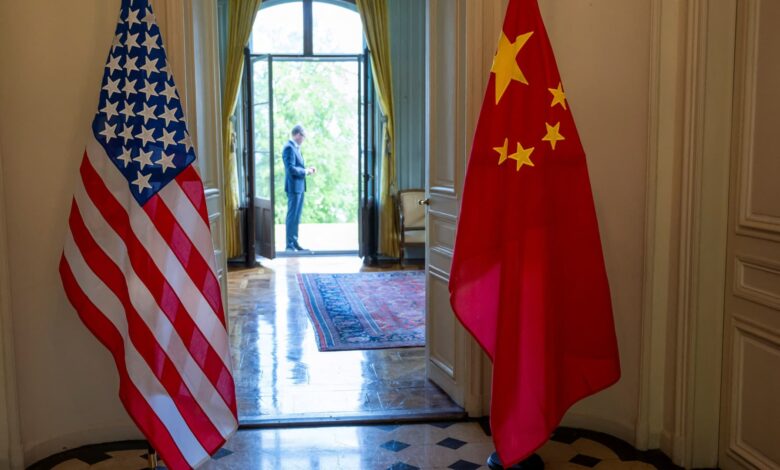
Trade talks between the U.S. and China have hit a roadblock, prompting the need for direct communication between the two countries’ leaders. Treasury Secretary Scott Bessent acknowledged the stall in negotiations and expressed the necessity for further discussions in the coming weeks. He hinted at a potential call between President Donald Trump and China’s President Xi Jinping to break the impasse.
The trade tensions between the two economic powerhouses escalated rapidly last month, culminating in a breakthrough agreement in Switzerland on May 12. The agreement saw both countries agreeing to roll back recent tariff increases for a period of 90 days. However, challenges persist as the U.S. has proceeded with tech restrictions on Beijing, provoking a strong reaction from China. Additionally, China has not yet eased restrictions on rare earths, contrary to the expectations of Washington.
Bessent emphasized the importance of both leaders engaging directly in the negotiations due to the complexity and magnitude of the talks. He expressed confidence in President Trump’s ability to bring the Chinese to the table for productive discussions. The last conversation between Trump and Xi took place in January, prior to Trump’s second term inauguration. While Trump has expressed interest in speaking with Xi again, analysts anticipate China’s cautious approach to ensure no surprises during the call.
China has maintained communication with the U.S. post the agreement in Switzerland, as confirmed by Chinese Ministry of Commerce Spokesperson He Yongqian. However, concerns were raised regarding chip export controls, with China urging the U.S. to address its practices to uphold the consensus reached during the talks in Geneva. When questioned about suspending rare earths export controls, He did not provide a direct response, citing the importance of maintaining world peace and regional stability.
In a recent development, the Trump administration announced plans to revoke visas for Chinese students, a move criticized by China’s Foreign Ministry Spokesperson Mao Ning. The decision was deemed unjustified, with the U.S. accused of using ideology and national security as pretexts for the visa revocation.
As the trade negotiations between the U.S. and China face challenges and uncertainties, the need for direct dialogue between the two leaders becomes increasingly crucial. The outcome of these discussions will not only impact the economic landscape but also shape the diplomatic relations between the two global powers.