U.S. could owe businesses $168 billion if Supreme Court rules against Trump tariffs, analysis finds
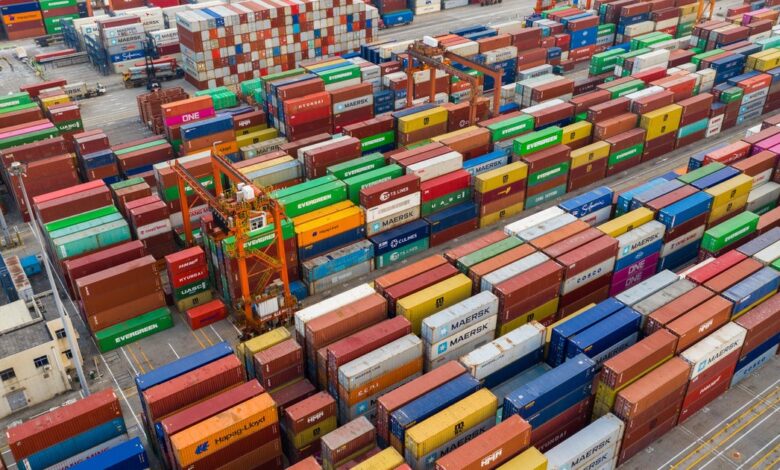
The Trump administration’s use of federal emergency powers to impose tariffs on various countries earlier this year has sparked a legal debate that could result in the government owing businesses up to $168 billion in refunds. A recent analysis revealed that the U.S. government has collected $259 billion in tariff revenue through December 5, but a Supreme Court ruling against the administration’s invocation of the International Emergency Economic Powers Act (IEEPA) could lead to significant repayments to importers.
During a November hearing, the Supreme Court appeared divided on the issue, with some justices questioning the legality of using IEEPA to impose broad-based tariffs. If the court rules against the administration, the government may have to find alternative ways to maintain tariff rates, such as relying on Section 232 of the Trade Expansion Act of 1962 or Section 301 of the Trade Act of 1974.
Despite the potential financial impact of refunding importers, experts believe that eliminating the tariffs could benefit the U.S. economy in the long run. Tariffs are seen as inefficient revenue-raising measures that hinder company productivity by increasing costs for imported goods. While the Trump administration argues that tariffs are essential for stimulating the manufacturing sector, boosting job growth, and reducing the trade deficit, critics point to the negative effects on businesses and consumers.
Small businesses have expressed concerns that a tariff refund may not offset the damage caused by the steep increase in import duties. Some argue that the reimbursement would come too late to prevent staff cuts or other disruptions caused by the tariffs. Consumers have also felt the impact, with households paying an average of $1,197.50 in tariffs between February and November, according to a recent report.
In response to the potential refund obligations, the White House has emphasized the economic and national security implications of overturning the tariffs. However, critics argue that the tariffs have led to higher prices for families and have failed to deliver on promises to lower costs. As the legal battle over the administration’s use of emergency powers continues, the outcome could have significant ramifications for both businesses and consumers.