U.S. doubles tariffs on steel and aluminum to 50%
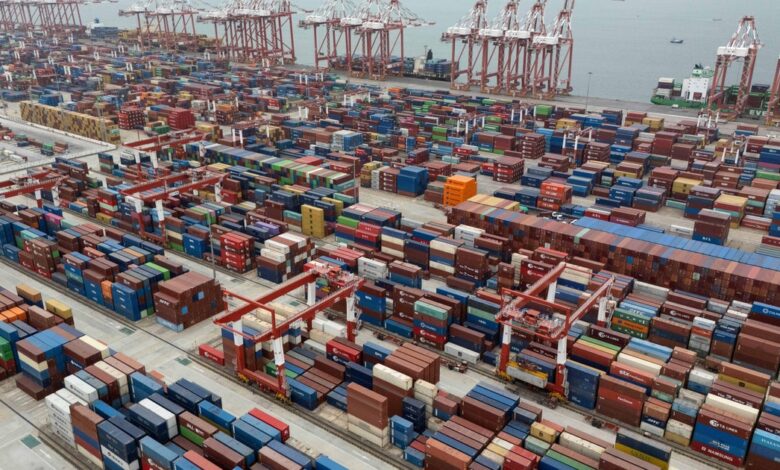
The United States has escalated its trade war with the doubling of steel and aluminum tariffs to 50%, which went into effect at midnight EDT on Wednesday. This move has further strained relationships with trading partners and sparked negotiations to avoid the increased levies. The Organization for Economic Cooperation and Development (OECD) has cut its global growth forecast as a result of these tariffs, with OECD chief economist Alvaro Pereira warning that the U.S. economy will bear the brunt of the repercussions.
Amidst this tense atmosphere, the OECD is holding a ministerial meeting in Paris, where U.S. trade representative Jamieson Greer and European Union trade commissioner Maros Sefcovic are engaging in talks to prevent higher tariffs on EU nations. The UK Trade Secretary Jonathan Reynolds also met with Greer to discuss averting tariff hikes on steel and aluminum, with the UK imports remaining at 25% for now as they work out duties and quotas according to their trade pact.
Despite these negotiations, tensions are rising with various partners, including the EU and Canada, who have expressed regret and opposition to the increased tariffs. The Group of Seven advanced economies is set to discuss trade separately, emphasizing the need for quick negotiated solutions to the escalating trade conflicts.
Mexico, a major exporter to the U.S., is seeking an exemption from the higher tariffs, citing the unfairness of the surplus in steel exports to the U.S. White House press secretary Karoline Leavitt confirmed that letters were sent to trading partners to push for offers before a deadline, as the higher rates announced by Mr. Trump are set to expire soon.
The focus is also on the trade tensions between the U.S. and China, with Mr. Trump accusing China of violating agreements and expressing difficulty in making deals with Chinese President Xi. Despite temporary de-escalation agreements, both countries are still facing challenges in negotiations over critical minerals and rare earth magnets.
Overall, the trade war initiated by the U.S. is impacting global economies and relationships, with countries scrambling to find solutions to avoid further economic repercussions. The need for quick resolutions and negotiated settlements is crucial to prevent further escalation of trade conflicts.