U.S. Government Posts GDP Data On Bitcoin Blockchain
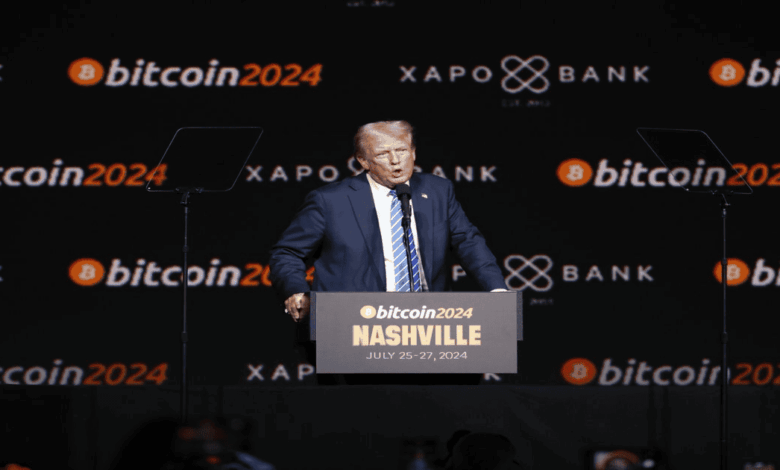
The U.S. Government Embraces Blockchain for GDP Data Distribution
In a groundbreaking move, the U.S. government has officially started publishing gross domestic product (GDP) data on public blockchains. This decision, as reported by Bloomberg, marks a significant shift towards integrating blockchain technology into America’s economic reporting system. The Commerce Department’s announcement on Thursday revealed that GDP information will now be available on nine different networks, including popular ones like Bitcoin, Ethereum, and Solana.
The Commerce officials have clarified that this blockchain rollout is not meant to replace traditional economic data releases but rather provide “another avenue” for distribution. This move carries symbolic weight, signifying the government’s endorsement of a technology that was once met with skepticism in Washington.
“The entire administration has embraced this,” stated Mike Cahill, CEO of Douro Labs, who has been collaborating with the Commerce Department on this initiative. “With today’s announcement, we are entering a world where government data is stored on blockchains, allowing market participants to engage in real-time analysis.”
This initiative involves posting cryptographic hashes of GDP data, which act as digital fingerprints to ensure the integrity of information. Although the scope is limited initially, officials confirmed that President Donald Trump’s administration plans to expand the program further in the future.
Commerce Secretary Howard Lutnick spearheaded the project, informing Trump that statistics would be issued via blockchain due to his reputation as the “crypto president.” Lutnick has previously proposed restructuring GDP reporting by excluding the impact of government spending.
This move represents a notable departure from the previous administration’s approach. Under President Joe Biden, regulators maintained a cautious stance towards crypto, often imposing restrictions and clashing with exchanges. In contrast, Trump has swiftly integrated Bitcoin into government policy, establishing a U.S. Bitcoin reserve, accumulating coins like Ether and Solana, enacting legislation to regulate stablecoins, and appointing crypto-friendly regulators.
Trump’s family has also increased its involvement in the digital asset sector, supporting ventures such as World Liberty Financial. The industry’s growing political influence is evident through substantial donations to Trump’s reelection campaign and contributions to pro-crypto candidates’ super PACs in 2024.
By embracing public blockchains, the Commerce Department aligns with other agencies experimenting with crypto technology. For instance, the Department of Homeland Security has explored blockchain for airport passenger screening, and California’s DMV has digitized car titles on blockchain platforms.
As Trump solidifies his stance as the “crypto president,” the adoption of blockchain for GDP distribution signifies a significant shift in U.S. economic policy, reinforcing Bitcoin’s position as a potent force in Washington’s political and financial landscape.