U.S. manufacturers are still shedding thousands of jobs, as workers ask White House for help
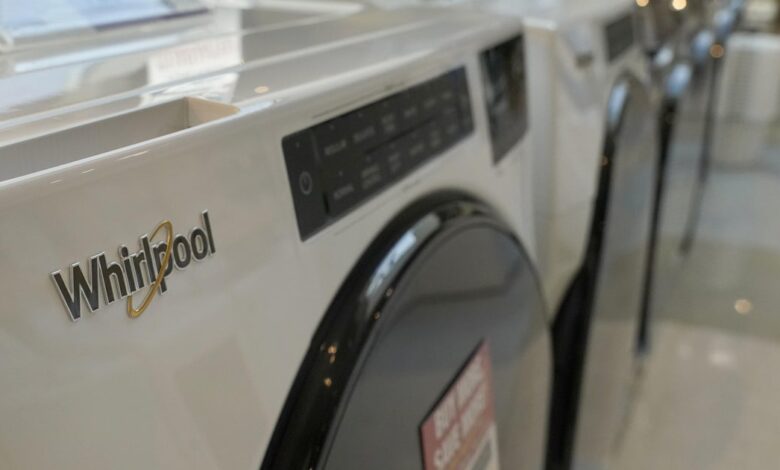
The closure of the Whirlpool factory in rural Iowa, which will result in the loss of 350 jobs on March 9, is a significant blow to the local community. The plant has been a cornerstone of the local economy for over eight decades, and its closure is indicative of the ongoing struggles faced by U.S. manufacturers despite the Trump administration’s efforts to revitalize the sector.
President Trump had previously touted his tariff policies as a means to bring back jobs and factories to the U.S. While some companies have committed to investing in domestic production in response to the tariffs, the actual implementation of these plans may take years. Furthermore, the job losses in the manufacturing sector continue, with 83,000 manufacturing jobs shed during Mr. Trump’s first year in office.
The union representing the workers at the Whirlpool plant in Amana, Iowa, reached out to President Trump for assistance, citing his “America First” manufacturing pledge. However, they have not received a response from the White House. The layoffs at the plant are part of a modernization plan by Whirlpool, aimed at ensuring the plant’s stability and success in the long run.
Manufacturers in the U.S. are facing numerous challenges, including the costs associated with the Trump administration’s tariffs and global competition. The tariff policies have been in a state of flux, further adding to the uncertainty for businesses. Despite efforts to encourage reshoring of factories and hiring American workers, some companies still find it more cost-effective to move jobs overseas.
The closure of the Whirlpool plant in Amana will have a devastating impact on the local economy, which heavily relies on agriculture and manufacturing. Lawmakers and union representatives are calling for a reconsideration of the job cuts, emphasizing the importance of maintaining a strong domestic manufacturing base. Without intervention, further layoffs may be on the horizon, leading to a significant reduction in the plant’s workforce.
Overall, the challenges faced by the manufacturing sector in the U.S. highlight the need for government intervention and support to protect American jobs and industries. The closure of the Whirlpool plant serves as a stark reminder of the ongoing struggles faced by U.S. manufacturers, despite efforts to revive the sector.