U.S. seeks to tap Venezuela’s vast oil reserves after military strikes. Here’s what to know.
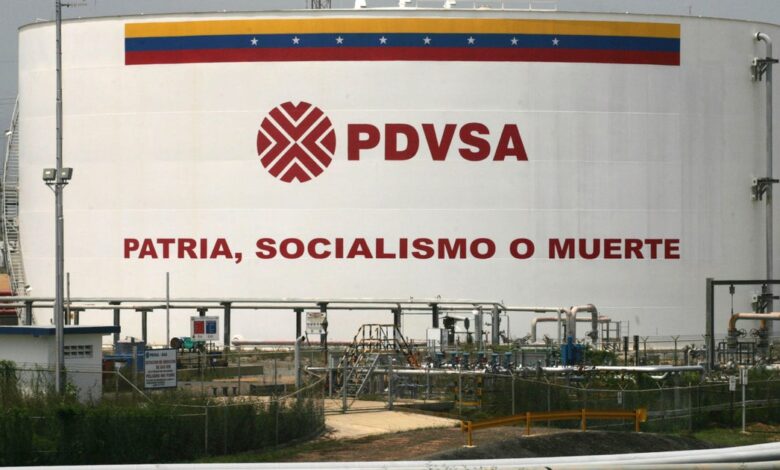
The recent U.S. strike on Venezuela has once again brought the country’s oil sector into the spotlight. Venezuela boasts some of the richest crude reserves in the world, making it a key player in the global oil market. President Trump, in a public address following the attack, announced plans to rebuild Venezuela’s oil infrastructure, with the cost to be covered by oil companies directly.
Venezuela, a member of OPEC, currently produces around 1 million barrels of crude oil per day, a significant decline from its peak production of over 3 million barrels per day in the early 2000s. The country’s oil exports are primarily directed towards China, due to U.S. political pressure and sanctions. In comparison, the U.S. is the world’s largest oil producer, churning out 13.5 billion barrels per day.
Despite its dwindling production, Venezuela holds the largest proven oil reserves in the world, estimated at over 303 billion barrels. Most of these reserves are located in the Orinoco Belt, a vast area in the country’s northeastern region. The potential for increased production in Venezuela is significant, with experts suggesting that it would take over a decade and investments exceeding $100 billion to rebuild the country’s oil infrastructure and reach production levels of 4 million barrels per day.
Currently, only one U.S. oil company, Chevron, operates in Venezuela, accounting for a quarter of the country’s oil production. Other major American energy companies withdrew from Venezuela after former President Hugo Chavez nationalized foreign oil interests in 2006. The U.S. has imposed various sanctions on Venezuela, including its oil sector, citing reasons such as drug trafficking, terrorism, and human rights abuses.
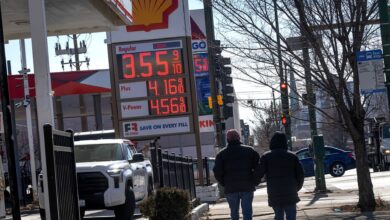
The impact of a regime change in Venezuela on global oil prices is uncertain, given the country’s limited crude production. However, any significant disruption to global oil supplies could potentially drive up energy prices worldwide. The U.S. has taken measures to bolster its own oil production and strategic petroleum reserves to mitigate any potential impact on domestic energy prices.
The future of American oil companies operating in Venezuela remains uncertain, with potential opportunities for private investors to step in and revitalize the country’s oil industry. Political developments following the U.S. strikes and Maduro’s removal will play a crucial role in determining the willingness of U.S. companies to invest in Venezuela. Chevron, with its existing presence in the country, stands to benefit the most in the short term.
In conclusion, Venezuela’s oil sector is poised for potential transformation in the aftermath of the U.S. strike. With the country holding the world’s largest oil reserves, the prospect of revitalizing its oil industry presents both challenges and opportunities for American energy companies. The political landscape in Venezuela will ultimately shape the future of its oil sector and influence global energy markets.