U.S. to impose tariffs on pharmaceutical drugs, kitchen cabinets, furniture and heavy trucks
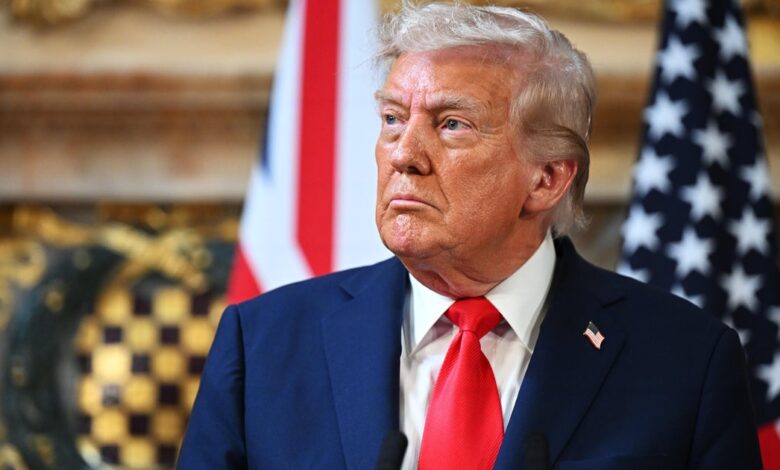
President Trump made a significant announcement on Thursday regarding the imposition of new tariffs by the United States. These tariffs include a 100% tariff on pharmaceutical drugs, a 30% tariff on upholstered furniture, a 50% tariff on kitchen cabinets and bathroom vanities, and a 30% tariff on heavy trucks. The President took to social media platform Truth Social to reveal that these new tariffs would come into effect on October 1.
One of the most striking tariffs announced by President Trump is the 100% tariff on branded or patented pharmaceutical products. However, he clarified that this tariff would not apply to companies that are either breaking ground on manufacturing plants in the U.S. or have plants under construction. With America importing nearly $233 billion in pharmaceutical and medicinal products in 2024, the possibility of prices doubling for some medicines could have a significant impact on healthcare expenses, as well as the costs of programs like Medicare and Medicaid.
President Trump also highlighted the need for tariffs on foreign manufacturers of furniture and cabinetry, citing national security concerns and the need to protect American industries. The imposition of tariffs on cabinetry could potentially raise costs for homebuilders, especially at a time when housing shortages and high mortgage rates are already making homeownership less accessible for many Americans.
In addition to these tariffs, President Trump announced a 25% tariff on heavy trucks made outside the U.S. This move aims to safeguard American heavy truck manufacturers from unfair competition and ensure that companies like Peterbilt, Kenworth, Freightliner, and Mack Trucks are shielded from external disruptions.
While the Trump administration’s tariffs initially seemed to have a limited impact on inflation, recent economic data suggests that prices are now on the rise due to these duties. The Consumer Price Index in August increased by 2.9% compared to the previous year, up from 2.3% in April when the initial set of tariffs was implemented. Despite the President’s claims of success, there is little evidence to suggest that these tariffs are creating new jobs or spurring the construction of manufacturing facilities.
As the effects of these tariffs continue to unfold, it remains to be seen how they will impact various industries and the overall economy. The decision to impose tariffs on key sectors like pharmaceuticals, furniture, cabinetry, and heavy trucks reflects the administration’s commitment to protecting American interests and industries in an increasingly competitive global market.