U.S. vaccine policy could see big changes in 2026

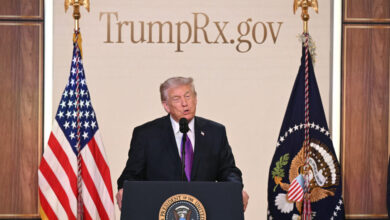
The Trump administration, under the leadership of health secretary Robert F. Kennedy Jr., has made significant changes to vaccine policy in a relatively short amount of time. Kennedy, a former leader of an anti-vaccine group, has implemented new measures that have disrupted the existing vaccine policy framework and government personnel within organizations like the Centers for Disease Control and Prevention and the Food and Drug Administration.
One of the key changes introduced by Kennedy is a reduction in access to vaccines, which has raised concerns about the impact on public health. Funding for vaccine development has also been slashed, further complicating efforts to address emerging health threats. Additionally, the administration has sought to sow seeds of doubt regarding the safety of vaccines, leading to increased skepticism among the public.
These changes have sparked a wave of uncertainty within the healthcare sector, with stakeholders scrambling to respond to the shifting landscape of vaccine policy. The Trump administration’s efforts to shrink the vaccine schedule have created a sense of urgency among healthcare professionals and organizations, prompting them to reevaluate their strategies for promoting vaccination and protecting public health.
As the debate around vaccine policy continues to evolve, it is essential for healthcare providers and policymakers to collaborate and find common ground on this critical issue. The future of vaccine policy in the United States will depend on the ability of stakeholders to navigate these challenges and prioritize the health and well-being of the population.