UAE mulls freezing Iranian assets as Middle East conflict escalates: WSJ
The United Arab Emirates is contemplating the possibility of blocking Iranian access to billions of dollars held in the Gulf state, as reported by the Wall Street Journal on Thursday. This potential move could severely impact Tehran’s ability to access foreign currency and global trade networks, especially during a time when its economy is already under strain and facing increased pressure due to military conflicts with the U.S. and Israel.
According to sources familiar with the discussions, Emirati authorities have communicated to Iranian officials that they are considering freezing Iranian assets, although a final decision has not been made yet. The UAE has historically tried to maintain a balance between its strategic alliance with the U.S. and its neighboring Iran. However, recent attacks by Iran on the Gulf nation have prompted a reassessment of this policy.
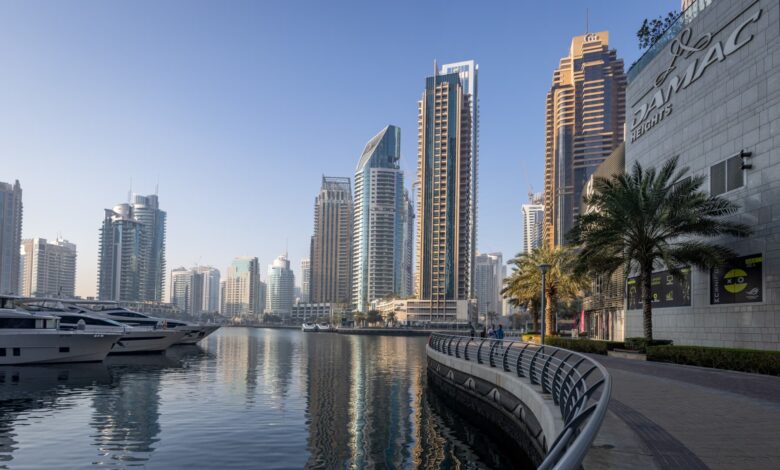
Dubai, the capital city of the UAE, has served as a crucial financial hub for Iranian businesses and individuals looking to circumvent Western sanctions. Iranian oil and commodities have been sold abroad through shell companies registered in Dubai’s free zones, allowing the proceeds to be channeled into military programs and regional proxies. Additionally, informal currency exchange houses in Dubai have facilitated the movement of funds across borders beyond the reach of traditional banking oversight.
The U.S. has been urging the UAE to dismantle these networks, and has sanctioned UAE-based entities in recent years for not fully complying with their commitments. In response to joint attacks by the U.S. and Israel, Iran has launched over 1,000 drones and missiles at targets in the UAE, causing damage to key infrastructure such as Dubai International airport and the Fairmont hotel, as well as residential and tourist areas.
Despite these provocations, UAE officials have reiterated their commitment to a defensive stance and have refrained from engaging in military actions against Iran. This decision aligns with the country’s longstanding policy of good neighborliness and de-escalation, as outlined in the Charter of the United Nations.
The Iranian attacks have unsettled the expatriate business community and international investors in Dubai, who have been drawn to the city for its perceived stability in a volatile region. Emirati authorities are now exploring various countermeasures, including targeted freezes on assets of UAE-based shell companies and a broader crackdown on local currency exchanges that facilitate Iran’s financial activities.
As the situation continues to evolve, it remains to be seen how the UAE will navigate its complex relationships with both Iran and its Western allies, while safeguarding its own economic and national security interests.