UK unemployment rate rises to 5% as jobs market weakens
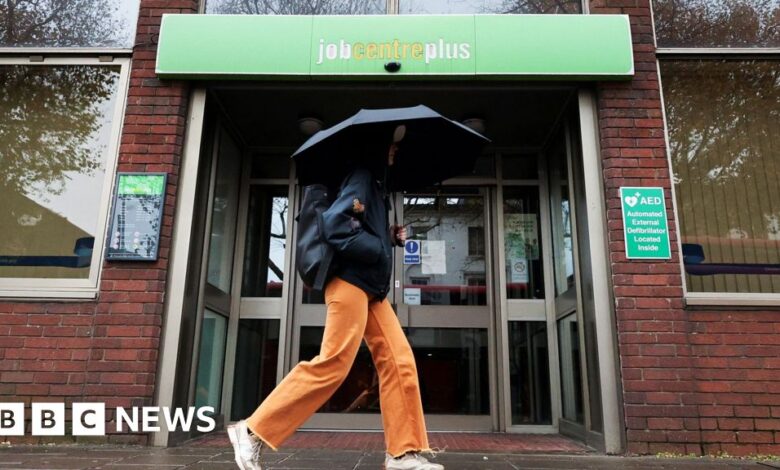
The latest official figures from the Office for National Statistics (ONS) reveal that the UK unemployment rate has climbed to 5% in the three months leading up to September. This increase indicates a weakening job market and is the highest rate recorded since the period between December 2020 and February 2021. The unexpected rise in unemployment has raised expectations for a potential interest rate cut in December.
Average wage growth also saw a slight dip to 4.6% in the third quarter, down from 4.7% in the previous three months. The combination of rising unemployment and slowing wage growth has stirred speculation about the future trajectory of the UK economy.
The head of financial analysis at AJ Bell, Danni Hewson, noted that anticipation for an interest rate cut has significantly increased. However, she emphasized the importance of analyzing the Chancellor’s upcoming budget decisions before making any definitive assumptions. The Bank of England projects that unemployment will hover around 5% in the coming years.
Liz McKeown, the director of economic statistics at the ONS, highlighted the signs of a deteriorating labor market. While the unemployment rate has reached a post-pandemic high, the number of job vacancies has remained relatively stable.
It’s worth noting that the current unemployment rate is the highest since August 2016 when excluding the skewed data from the COVID-19 era. The ONS has acknowledged the need for caution in interpreting these figures and is taking steps to address concerns about data quality.
Government officials have expressed mixed reactions to the latest unemployment data. While Work and Pensions Secretary Pat McFadden acknowledged the challenges in the labor market, he emphasized that the British economy continues to create job opportunities. On the other hand, Shadow Work and Pensions Secretary Helen Whately criticized the government’s policies for contributing to increased unemployment.
The drop in the number of people on company payrolls by 180,000 in the year leading up to October has sparked concerns among forecasters. This decline, higher than expected, underscores the ongoing challenges in the job market.
Looking ahead, hiring plans have been put on hold by many businesses awaiting clarity on future government policies. With uncertainties surrounding potential tax increases and regulatory changes, companies are cautious about committing to new hires. The Federation of Small Businesses has called on policymakers to prioritize measures that support job creation and economic growth.
As the UK grapples with rising unemployment and economic uncertainties, stakeholders are closely monitoring developments to navigate the evolving job market landscape.