Unpopular diet for cancer patients gets another look
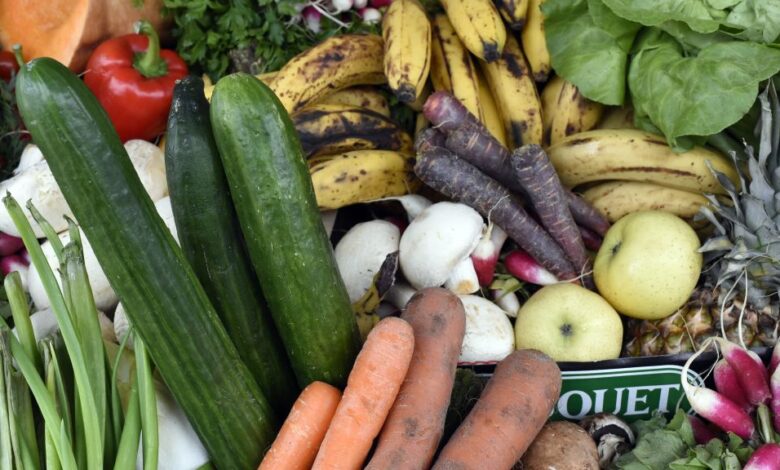
Oncologists have been reevaluating the use of the traditional neutropenic diet for cancer patients undergoing intensive treatments. This diet, which required most foods to be cooked at high temperatures to reduce the risk of infections, has fallen out of favor in recent years due to lack of evidence supporting its effectiveness. However, a new study published in the Journal of Clinical Oncology has raised concerns about the inclusion of fresh fruits and vegetables in the diets of patients with compromised immune systems, particularly neutrophils.
The study found that patients who were allowed a less restrictive diet had 11% more infections compared to those who followed the traditional neutropenic diet. This unexpected result has prompted some physicians to reconsider the liberalization of diets for cancer patients. While there has been a trend towards more lenient dietary guidelines in recent years, this study suggests that a stricter approach may be necessary for certain patient populations.
The neutropenic diet was initially implemented several decades ago for cancer patients undergoing intensive treatments such as stem cell transplants. These treatments can severely suppress the immune system, making patients more susceptible to infections. Hospitals have historically taken strict measures to protect these patients, including restricting outside food and flowers from entering their rooms to prevent the introduction of harmful bacteria.
Recent evidence has questioned the necessity of the neutropenic diet, with some studies suggesting that normal diets do not significantly increase the risk of infections. In fact, the neutropenic diet has been associated with decreased quality of life and increased malnutrition in patients. Despite these findings, the new study has reignited the debate surrounding the efficacy of dietary restrictions for cancer patients.
The study, led by hematologist-oncologist John Wingard, compared the outcomes of patients following a liberalized diet with those following the traditional neutropenic diet. Surprisingly, the liberalized diet group experienced a higher rate of infections, indicating that dietary restrictions may play a role in infection prevention. However, the study also found that neither diet improved patients’ nutrition or quality of life, suggesting that other factors may be at play.
Moving forward, oncologists may need to reassess their approach to dietary guidelines for cancer patients, particularly those undergoing intensive treatments. While the neutropenic diet may have its drawbacks, it remains a standard practice in many healthcare settings. Ultimately, the goal is to improve treatment options for cancer patients so that dietary restrictions become unnecessary. By focusing on less toxic therapies, oncologists can prioritize patient comfort and well-being without compromising on infection prevention.