Unraveling the legal, economic and market ramifications if Trump tries to fire Fed Chair Powell
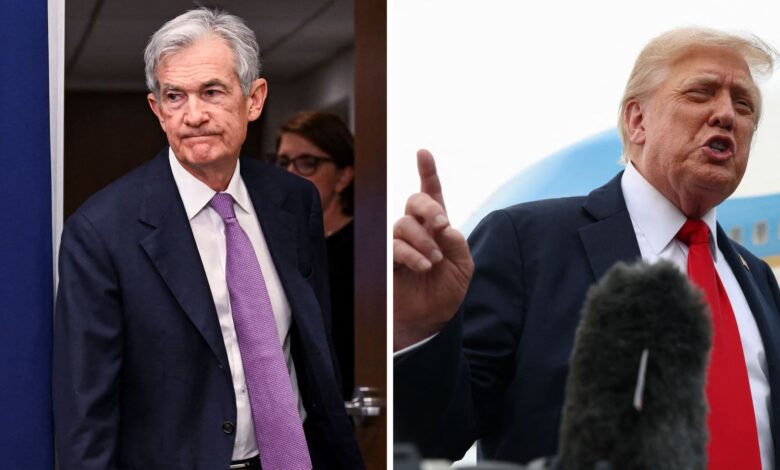
President Donald Trump’s ongoing feud with Federal Reserve Chair Jerome Powell has reached a boiling point, with rumors swirling that Trump may attempt to fire Powell. This unprecedented move would likely result in a legal battle that could have far-reaching implications for the central bank, financial markets, and the economy.
The legality of Trump’s ability to remove Powell is questionable, as it would likely require a valid cause for dismissal. However, the criteria for what constitutes cause remain unclear, leading many to speculate that Trump may be using criticism of the Fed’s building expansion as a pretext for removal.
If Trump were to move forward with firing Powell, it is expected that Powell would sue, leading the case to the Supreme Court. The recent ruling in Trump v. Wilcox established the Fed as a unique entity immune from arbitrary personnel changes, but the issue of cause would still need to be addressed.
In the event of Powell’s removal, the Federal Open Market Committee could retain him as chair, allowing him to continue influencing monetary policy. This unconventional scenario raises questions about the potential consequences for the Fed’s independence and credibility.
Trump’s motivations for targeting Powell are unclear, with some speculating that he may be using Powell as a scapegoat for potential economic downturns. The president’s relentless criticism of Powell and the Fed’s monetary policies has raised concerns about political interference in central bank decision-making.
The fallout from a potential firing of Powell could have significant market and economic implications. Market experts warn that undermining the Fed’s independence could lead to increased volatility and uncertainty in financial markets. Additionally, any attempts to influence interest rates could have unintended consequences on inflation and economic growth.
Despite the uncertainty surrounding Trump’s intentions, Powell and the Fed are expected to continue making decisions based on data and economic indicators. The ongoing tension between the president and the central bank underscores the importance of maintaining the Fed’s independence and credibility in shaping monetary policy.