Urgent travel advisory for Madagascar due to protests, ‘crime and unrest’
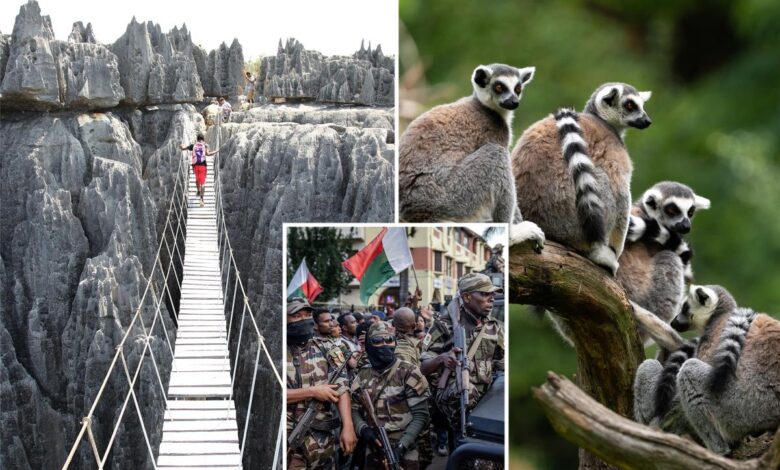
The U.S. State Department has recently issued an updated travel advisory for Madagascar, citing concerns over crime and unrest in the country. The Level 3 advisory, issued on September 27, warns travelers about ongoing protests that have the potential to turn violent without warning. The advisory urges U.S. citizens to stay in place and avoid areas where protests or demonstrations are taking place, especially after dark.
Protesters in Madagascar have been engaging in rioting, looting, vandalism, and destruction of property, leading to increased tensions in the country. The advisory also highlights the rise in violent crime in Madagascar, particularly after dark. Criminal gangs known as the Dahalo, who are notorious for stealing cattle, have been clashing with security forces in areas south and west of the capital.
The State Department also warns travelers about the risk of armed robbery and assault, which can occur in remote areas as well as on major national roads. These safety concerns have led to a reconsideration of travel to Madagascar, especially for those planning to visit the country for exploration and wildlife tourism.
Madagascar, known for its diverse ecosystems and unique wildlife, is home to over 110 species of lemurs. However, recent political unrest and security issues have raised concerns for travelers looking to visit the island nation. A military coup in Madagascar resulted in the impeachment of President Andry Rajoelina, further adding to the instability in the country.
The State Department’s travel advisory system provides four levels to help travelers assess safety risks before visiting other countries. These levels range from Level 1 – Exercise Normal Precautions to Level 4 – Do Not Travel, with Madagascar currently classified at Level 3 – Reconsider Travel. Travelers are advised to stay informed about the situation in Madagascar and take necessary precautions before planning a trip to the country.