US financial regulators start shuttering as federal funding runs out
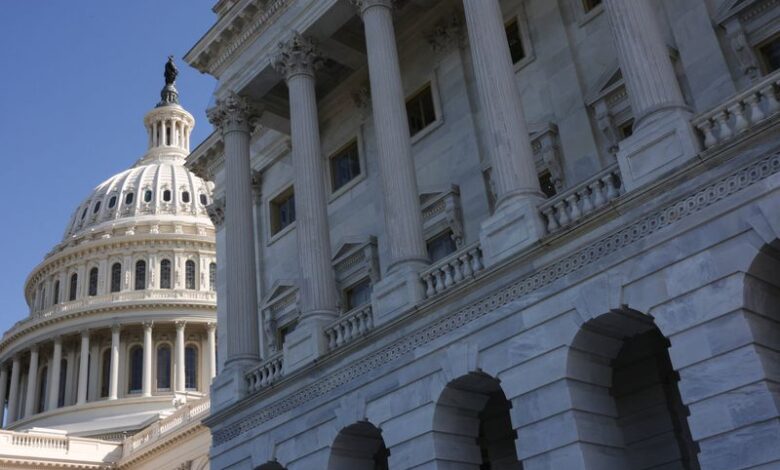
The U.S. market regulators have started the process of furloughing workers as the federal government shutdown went into effect after Congress failed to extend funding. This shutdown has significant implications for key oversight functions, initial public offerings, and the release of market and economic data.
The Securities and Exchange Commission (SEC) will be forced to furlough over 90% of its workforce, retaining only a small number of employees to handle emergency enforcement actions and market surveillance. The Commodity Futures Trading Commission (CFTC), which oversees derivatives markets, plans to operate with just 5.7% of its workforce to ensure market oversight and prevent fraud and abuse.
With the shutdown in effect, routine company SEC filings will continue, but the agency will not be able to process IPOs. This could potentially dampen the recent revival in the IPO market. Samuel Kerr, head of equity capital markets at Mergermarket, noted that the shutdown could damage investor sentiment in the short term and clog the IPO pipeline in the long term.
The shutdown also impacts the review of pending filings by the SEC’s Division of Trading and Markets, delaying the expected approvals of numerous crypto exchange-traded fund products. Analysts had anticipated the debut of ETFs tied to cryptocurrencies Solana and XRP in early October.
Congresswoman Maxine Waters, the top Democrat on the House Financial Services Committee, expressed concerns about the limitations of market watchdogs during the shutdown. She warned that leaving financial markets and investors at great risk during a time when strong oversight is crucial.
On the other hand, U.S. bank regulators like the Federal Reserve and Federal Deposit Insurance Corporation will continue operating as usual since they are not funded through congressional appropriations. These agencies have reminded banks that they can still make loans that typically require flood insurance coverage, despite the National Flood Insurance Program being largely shuttered.
The impact of the government shutdown on the financial markets is already being felt, with Wall Street futures and the dollar stumbling, while gold has reached a record high. A prolonged shutdown could lead to delays or cancellations of key economic data releases, potentially causing asset price volatility.
In conclusion, the government shutdown has significant consequences for market regulators, investors, and the financial markets as a whole. It is essential for Congress to reach a resolution quickly to prevent further disruption and uncertainty in the financial sector.