US sanctions Cuban President Díaz-Canel, other officials for human rights violations

HAVANA — The United States government took action on Friday by imposing sanctions on Cuban President Miguel Díaz-Canel and other high-ranking officials for their involvement in human rights violations. This move also includes restrictions on visas, coinciding with the anniversary of the significant protests that took place on the island in recent years.
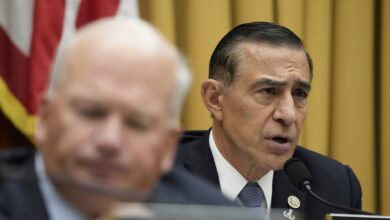
U.S. Secretary of State Marco Rubio announced on social media that the State Department would be implementing visa restrictions on Cuban judicial and prison officials who were responsible for the unjust detention and torture of protesters in July 2021.
The protests in July 2021, which were not organized by any opposition group, shed light on the severe economic crisis that Cuba was facing.
Rubio emphasized the U.S.’ commitment to upholding the human rights and freedoms of the Cuban people, making it clear that dictatorial regimes are not welcome in the hemisphere.
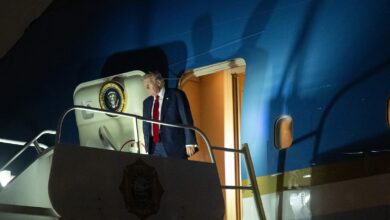
The Trump administration has adopted a tougher stance against the Cuban government compared to the Biden administration.
In addition to Díaz-Canel, the U.S. also sanctioned Cuban Defense Minister Álvaro López Miera and Interior Minister Lázaro Álvarez Casas.
Following the announcement, Johana Tablada from the Cuban Foreign Ministry criticized Rubio, labeling him as a “defender of genocide, prisons, and mass deportations.”
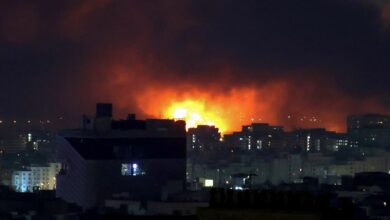
The protests in 2021 were triggered by frequent power outages in Havana and other cities, resulting in one fatality and acts of vandalism during some demonstrations.
Government supporters and authorities intervened to suppress the protests, with human rights organizations estimating over 1,000 arrests, although the government did not release official figures.
The Cuban government attributed the protests to a U.S. media campaign and decades of sanctions.
In 2022, Cuban prosecutors reported that around 790 individuals were under investigation for their involvement in the protests, facing charges ranging from disorderly conduct to sabotage and vandalism.
The advocacy group 11J, named after the protests, disclosed that as of late last year, 554 people were serving sentences related to the protests. However, some were granted conditional release in January following an appeal from Pope Francis.